Understanding what steps to take after a minor auto accident can help you manage the situation more efficiently and effectively. This checklist is designed to guide you through the necessary actions and considerations. Knowing how to respond can protect your rights, ensure safety, and facilitate smoother resolutions.
1. What Should You Do Immediately After a Small Accident?
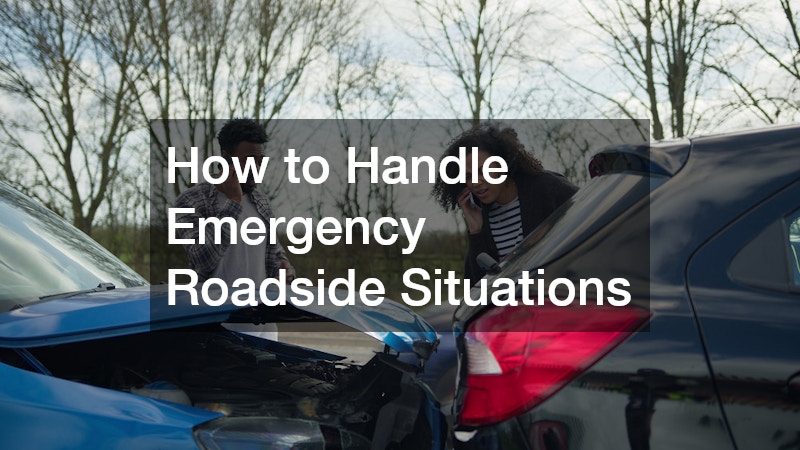
Immediately following a fender bender, your first priority is safety—for yourself, your passengers, and other drivers on the road. If the vehicles are still operational, carefully move them to the shoulder or a nearby safe area to avoid blocking traffic or causing additional accidents. Turn on your hazard lights right away to increase visibility, and if you have emergency tools like reflective triangles or road flares, set them up to warn approaching drivers.
Once everyone is safe, take a moment to assess whether there are any injuries, even minor ones. Adrenaline can mask symptoms, so it’s important to check thoroughly and seek medical attention if anything feels off. After ensuring safety, begin exchanging information with the other driver, including names, phone numbers, driver’s license numbers, license plate numbers, and insurance details. Keeping your communication calm and factual can help prevent unnecessary conflict.
Documentation is also a critical step at the scene. Use your phone to take clear photos of the vehicles, damage, license plates, road conditions, traffic signs, and the surrounding area. These visual records can serve as valuable evidence later. Even in minor accidents, contacting local authorities may be required depending on your state laws. Once the scene has been captured, then the focus can move to the next steps.
2. Choosing the Right Towing Service
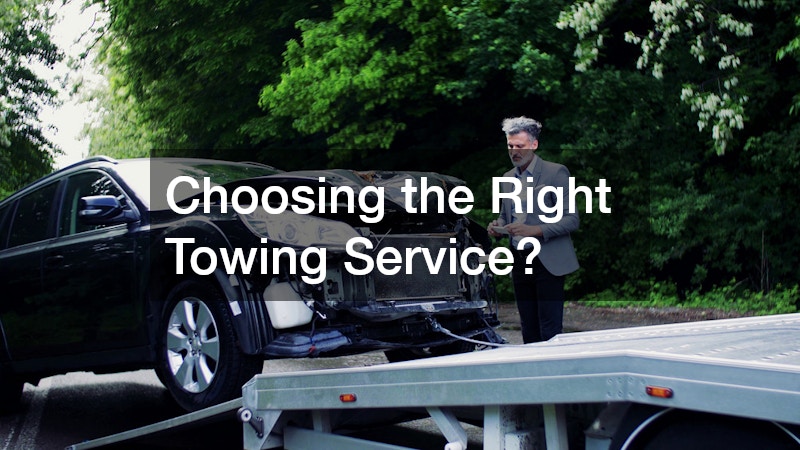
Choosing the right towing company after an accident is more important than many people realize. In a stressful situation, it can be tempting to accept the first available service, but taking a moment to evaluate your options can prevent further complications. A reputable towing company should offer prompt response times, especially in emergencies where your vehicle may be obstructing traffic or exposed to additional risks.
Before committing, ask about pricing and what services are included. Some towing companies charge flat rates, while others base fees on distance or time. Understanding these details upfront can help you avoid unexpected charges. Additionally, some providers offer extra services such as roadside assistance, battery jump-starts, or tire changes, which can be beneficial depending on your situation.
Vehicle safety during transport is another critical factor. A professional towing company should use proper equipment and secure your vehicle carefully to prevent further damage. It’s also wise to confirm that the company is licensed and insured. This ensures that if anything goes wrong during the towing process, you’re not left covering additional repair costs out of pocket.
3. Which Auto Shop is Right for You?
Selecting the right auto body shop is essential to restoring your vehicle safely and correctly after an accident. Not all repair shops offer the same level of expertise, so it’s important to look for certified technicians who have experience with your specific type of vehicle. Certifications and ongoing training demonstrate a commitment to staying current with modern repair techniques and technologies.
Customer feedback can provide valuable insight into a shop’s reliability and quality of work. Reading online reviews or asking for recommendations from friends and family can help you identify trustworthy options. Pay attention to how the shop communicates—clear explanations, accurate estimates, and timely updates are all signs of strong customer service.
Another key consideration is whether the shop works with your insurance provider. Many reputable shops streamline the claims process by coordinating directly with insurers, saving you time and effort. Additionally, look for shops that offer warranties on their repairs, as this provides added peace of mind and protection for your investment.
4. How to Assess Wheel Damage and Replacement Needs
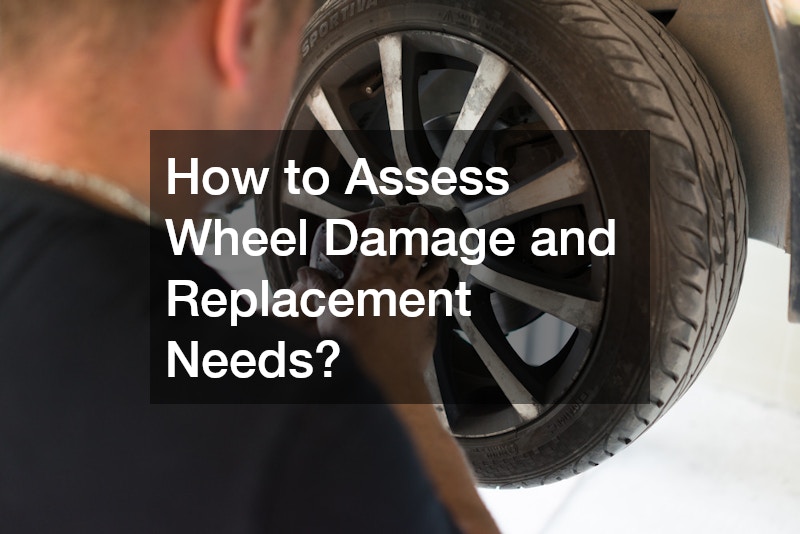
Tires often take a significant impact during even minor accidents, making it important to assess their condition carefully. Start with a visual inspection, looking for obvious issues such as punctures, cuts, bulges, or uneven wear. These signs can indicate underlying damage that may not be immediately apparent but could worsen over time.
Not all tire damage requires full replacement. Small punctures in the tread area can often be repaired safely, but damage to the sidewall or larger structural issues typically mean the tire should be replaced. Driving on compromised tires can increase the risk of blowouts, reduced traction, and poor handling, especially at higher speeds.
When replacement is necessary, choosing the right tires is crucial for maintaining performance and safety. Consider factors such as your vehicle type, driving habits, and local weather conditions. Consulting with a tire specialist or auto repair professional can help ensure you select tires that offer the best balance of durability, efficiency, and road grip.
5. Any Damage to The Car’s Frame?
Frame alignment is a crucial aspect of vehicle repair that is often overlooked after minor accidents. Even a small collision can shift your car’s frame slightly, leading to long-term issues if not corrected. Proper alignment ensures that all components of the vehicle work together as intended, maintaining stability and safety on the road.
When a frame is misaligned, you may notice symptoms such as your car pulling to one side, uneven tire wear, or unusual vibrations while driving. Ignoring these warning signs can lead to more extensive damage over time, including stress on suspension and steering systems. Addressing alignment issues early can save both time and money.
Professional frame alignment requires specialized equipment and trained technicians who can measure and correct structural deviations with precision. Choosing a qualified specialist ensures that your vehicle is restored to manufacturer specifications, providing a smoother, safer driving experience.
6. When Do You Need Assistance Services?

Roadside assistance service is designed to provide immediate help when unexpected issues arise, whether from an accident or a mechanical failure. These services can be invaluable in situations where your vehicle is no longer drivable or safe to operate. From towing to jump-starting a dead battery, roadside assistance ensures you’re not left stranded.
One of the biggest advantages of having roadside assistance coverage is convenience. Instead of scrambling to find help during a stressful situation, you have a reliable point of contact ready to respond quickly. Many plans include a wide range of services, such as tire changes, lockout assistance, and fuel delivery.
To make the most of your coverage, it’s important to understand what your plan includes and how to access it. Keep contact information easily accessible—whether saved in your phone or stored in your glove compartment—so you can act quickly when needed. Being prepared can significantly reduce stress during unexpected breakdowns.
7. Why is Brake Repair Crucial After an Accident?
Your vehicle’s braking system is one of its most critical safety components, and even a minor accident can affect its performance. Damage to brake pads, rotors, or hydraulic systems may not always be immediately visible but can significantly impact stopping power. Ensuring your brakes are inspected and repaired promptly is essential for safe driving.
Common warning signs of brake issues include squealing or grinding noises, vibrations when braking, or a soft or spongy brake pedal. These symptoms should never be ignored, as they can indicate serious problems that may lead to brake failure if left unaddressed. A professional inspection by a trusted brake repair service can quickly identify and resolve these concerns.
While brake repairs can vary in cost, investing in high-quality parts and skilled service is well worth it. Reliable brake performance not only protects you but also other drivers on the road. Addressing issues early can prevent more expensive repairs down the line and help maintain your vehicle’s overall safety.
8. What Should You Know About Engine Repair?
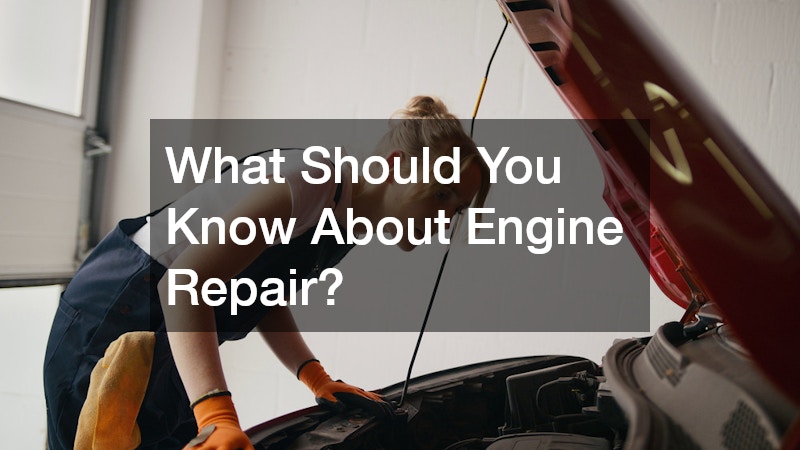
After a collision, engine damage may not always be obvious, but it can have serious implications if left untreated. Common issues include fluid leaks, damaged components, and misalignment within the engine system. These problems can affect performance, fuel efficiency, and long-term reliability, among many other important issues.
Choosing the right engine repair services is essential for accurate diagnosis and effective repairs. Look for technicians who specialize in engine systems and use advanced diagnostic tools to identify hidden issues. Their expertise ensures that repairs are done the first time correctly, reducing the risk of recurring problems.
Proper engine maintenance and timely repairs play a major role in extending the life of your vehicle. Addressing issues early helps maintain performance and prevents minor damage from escalating into costly failures. A trustworthy repair service will prioritize quality workmanship and provide clear explanations of the work being done, giving you confidence in your vehicle’s condition moving forward.
9. Where to Find a Reliable Repair Service?
Finding a dependable auto repair service after an accident can make a significant difference in how smoothly your recovery process goes. Start by looking for repair shops that specialize in collision-related damage, as they will have the tools and expertise needed to address both visible and hidden issues effectively.
A strong service guarantee is one of the best indicators of a reliable repair shop. Guarantees show that the business stands behind its work and is willing to address any problems that may arise after repairs are completed. Be sure to ask about warranty coverage for both parts and labor before making a decision.
Communication is another critical factor. A good repair shop will keep you informed throughout the process, explaining what repairs are needed, how long they will take, and how much they will cost. Transparency builds trust and helps you feel more confident that your vehicle is in capable hands.
10. How Can Accident Attorneys Assist You?
Auto accident attorneys play an important role in helping you navigate the often confusing aftermath of a collision. Even in relatively minor accidents, legal questions can arise around fault, insurance coverage, and compensation. An experienced attorney can review your situation and explain your options clearly, helping you make informed decisions rather than relying on guesswork.
One of the key benefits of consulting an attorney is understanding your rights. Insurance companies may attempt to minimize payouts, and without proper guidance, you could unknowingly accept less than you deserve. Attorneys can help ensure that all damages—vehicle repairs, medical expenses, lost wages, and even pain and suffering—are properly considered in your claim.
Additionally, attorneys handle the complex paperwork and communication involved in the claims process. From negotiating with insurance adjusters to gathering evidence and filing legal documents, their expertise reduces your stress and the likelihood of costly errors. Seeking legal advice early can also strengthen your case, as timing often affects the availability of evidence and the credibility of your claim.
11. When Should You Consider Selling Damaged?
After an accident, there may come a point where repairing your vehicle simply isn’t worth the cost. If the damage is extensive and repair estimates exceed the car’s market value, selling the cars for cash can be a practical and financially sound alternative. This option is especially relevant for older vehicles or those with pre-existing wear and tear.
Selling a damaged car can often be faster and less stressful than coordinating repairs, inspections, and ongoing maintenance. Many buyers specialize in purchasing damaged vehicles, offering competitive prices based on salvage value, usable parts, and resale potential. Exploring multiple offers allows you to compare and choose the best deal available.
Before finalizing a sale, make sure you have all the necessary paperwork, including the title and any relevant maintenance records. Being honest about the condition of the vehicle helps build trust and ensures a smoother transaction. It’s also important to verify the legitimacy of the buyer and confirm secure payment methods to avoid scams or disputes.
Dealing with a fender bender can be stressful, but having a structured plan can alleviate much of the pressure. By knowing your options and following this checklist, you’ll be better prepared to handle the aftermath efficiently. Understanding the importance of consulting with auto accident attorneys, choosing the right towing company, and evaluating services like auto body shops and engine repair services diminishes anxiety and ensures the best possible outcomes.