Having a vehicle is a significant responsibility, and one that comes with an array of maintenance needs and unanticipated repairs. For many, auto repair can often seem daunting, laden with technical jargon and complex machinery. Yet, having a fundamental grasp of essential auto repair tips can save both precious time and money. Here, we’ve compiled a list of ten invaluable tips that mechanics wish every car owner knew. By demystifying some of these basic maintenance and repair concepts, you can enhance the longevity of your vehicle and prevent unnecessary visits to auto repair shops. Through this guide, you’ll gain insight into practical aspects ranging from simple upkeep to critical repair recognition. Understanding these tips not only ensures your vehicle runs smoothly but also bolsters your confidence as a car owner, empowering you to handle minor car issues independently when possible.
1. How Often Should I Change My Oil?
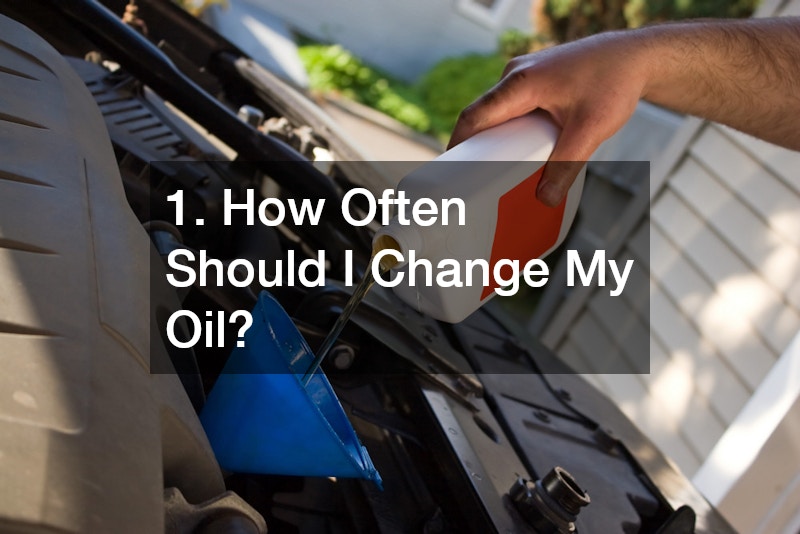
Regular oil changes are critical for keeping your vehicle’s engine running smoothly. Conventionally, auto repair shops recommended changing your oil every 3,000 miles. However, advancements in engine technology and oil formulations mean many modern vehicles can go 5,000 to 7,500 miles between changes. The optimal interval depends largely on your car’s make and model, as well as your driving habits. Neglecting regular oil changes can lead to sludge buildup, reducing engine efficiency and potentially causing severe engine damage. Consulting your vehicle’s owner manual and following the manufacturer’s interval guidelines is crucial. Moreover, routinely checking the oil level and ensuring it stays topped off can prevent issues that might warrant costly European auto repair services.
Some auto electric cars, while generally having fewer moving parts, still require regular oil for components like the drivetrain. Staying informed about your vehicle’s specific needs is vital. When in doubt, consulting a trusted auto mechanic can provide clarity on an appropriate oil change schedule for your vehicle. It’s also important to note that oil types play a significant role in engine health. Synthetic oils, for example, offer superior protection compared to conventional oils, especially in high-performance or high-mileage engines. These oils can withstand higher temperatures and offer better protection against sludge buildup, extending the life of your engine.
If you notice any signs of low oil, such as engine noise or a check oil light, it’s essential to address the issue immediately. Proactive maintenance can save you from more expensive repairs down the road, ensuring your vehicle’s engine remains in peak condition. Regular oil changes not only keep the engine running smoothly but also improve fuel efficiency, making your car more economical to drive.
2. What Are the Best Practices for Tire Maintenance?
Tires are your vehicle’s direct contact with the road, making their maintenance a top priority. A key practice in tire maintenance involves regularly checking and adjusting the tire pressure. Under-inflated tires can negatively affect fuel efficiency and safety, while over-inflated tires may reduce traction. Additionally, periodic tire rotation helps ensure even wear, extending the life of your tires and improving your vehicle’s performance. Ideally, tires should be rotated every 5,000 to 8,000 miles, a frequency that often corresponds with oil changes. Balancing and aligning your tires through your local auto glass repair services or trusted technicians ensures optimal vehicle stability.
Visual inspections for tire tread and sidewall damage should also be conducted regularly. Uneven tread depth can indicate alignment issues or the need for a rotation, while sidewall damage calls for immediate action. By implementing regular tire maintenance routines, you can optimize safety and extend your tires’ lifespan significantly. Another important aspect of tire care is ensuring they’re properly balanced. Unbalanced tires can lead to vibrations, which not only affect the ride comfort but also lead to premature wear on suspension components. If you notice any unusual vibrations while driving, it’s a good idea to get your tires balanced at your earliest convenience.
In addition to balancing, wheel alignment should not be overlooked. Misaligned wheels can cause your vehicle to pull to one side, uneven tire wear, and, ultimately, reduced tire life. Regularly checking for misalignment and getting it corrected can greatly improve the handling of your vehicle and prevent unnecessary strain on your tires. Keeping your tires in top condition not only ensures safety but also contributes to better overall vehicle performance.
3. How Can I Maximize My Fuel Efficiency?
One of the most effective ways to maximize fuel efficiency is through consistent vehicle maintenance. Regularly changing air filters ensures your engine breathes properly and operates efficiently. Clean filters can improve fuel economy by up to 10%, a simple change often overlooked by many car owners.
Moreover, maintaining proper tire pressure, as previously discussed, directly impacts fuel efficiency. Tires with insufficient pressure create more resistance, causing the engine to work harder and consume more fuel. Regular visits to your car window tinting services can also indirectly aid efficiency by reducing heat and improving the effectiveness of your vehicle’s climate control system.
Driving habits significantly influence fuel consumption as well. Avoiding rapid acceleration, maintaining a steady speed, and reducing idling can lead to notable savings. Being a conscientious driver, coupled with routine maintenance, will effectively enhance your vehicle’s fuel efficiency.
4. What Should I Keep in My Emergency Car Kit?

An emergency car kit is an indispensable item for every vehicle, ideal for unexpected breakdowns or adverse weather conditions. At a minimum, your kit should include a tire-changing set, jumper cables, and basic tools. Additionally, consider carrying items like a flashlight with extra batteries, roadside flares, and a first-aid kit.
For areas prone to extreme weather, include blankets, extra clothes, and non-perishable food items. Kits should also contain essentials like water, a phone charger, and a map. While having car upholstery cleaner might sound excessive, it can help deal with spills or stains during long trips.
Regularly checking and updating your kit is important to ensure the items remain functional and adequate. Having these supplies readily available enhances safety and provides peace of mind for both short commutes and long journeys.
5. Are There DIY Repairs I Can Safely Perform?
Many car owners are surprised by the number of simple repairs and maintenance tasks they can perform at home. Changing a flat tire, for instance, is an essential skill that every driver should master. With a basic understanding of the procedure and the proper tools, you can avoid waiting for roadside assistance.
Replacing windshield wipers is another straightforward task requiring minimal tools and effort. Checking fluid levels and topping up windshield wash or antifreeze can also be easily done. These small maintenance tasks, when performed regularly, can reduce dependency on local auto glass repair services and save money over time.
While some repairs are feasible at home, it is crucial to recognize limitations and seek professional assistance for complex issues. Understanding what can be accomplished with DIY measures allows you to handle minor car problems effectively while entrusting more technical situations to a qualified auto mechanic.
6. How Do I Know When Brakes Need Replacing?
Strong and responsive brakes are vital for vehicle safety, making it important to recognize signs that indicate they need replacing. Squeaking or grinding noises often signal worn brake pads, necessitating immediate attention. Visibly thin brake pads also warrant a replacement, ensuring optimal braking efficiency.
If you notice your vehicle pulling to one side when braking, this could indicate uneven wear or issues with the brake caliper. Vibration in the brake pedal can suggest warped rotors, requiring prompt evaluation by an auto mechanic. Regular brake inspection and maintenance reduce the risk of brake failure and enhance driver confidence.
Staying attuned to changes in braking performance allows for timely intervention and repairs. Addressing these signs early with the assistance of a trusted body shop or auto repair specialists prevents more severe issues and ensures a safer driving experience.
7. What Causes My Car Battery to Drain?

Several common factors contribute to a drained car battery, often leaving drivers stranded unexpectedly. One primary cause is leaving lights or accessories on after the engine is turned off. Being mindful to turn off headlights and interior lights when exiting the vehicle can prevent unnecessary battery drainage.
Loose or corroded battery connections can also impact the battery’s performance, leading to intermittent starting issues. Regularly checking and cleaning connections, as part of your auto exhaust repairs regimen, can ensure reliable battery function. During colder months, consider using a battery warmer to maintain efficiency.
Additionally, a failing alternator may not adequately charge the battery during operation. Recognizing signs like dimming lights or electronic malfunctions can indicate an alternator issue that requires professional assessment. Proactive battery maintenance will help maintain electric reliability and avoid unexpected breakdowns.
8. How Can I Identify a Transmission Problem?
The transmission is a vital component of your vehicle, and recognizing early signs of trouble can prevent costly repairs. One symptom of a transmission problem includes difficulty shifting gears or delayed engagement. Such signs merit immediate attention from a specialist adept in auto transmission rebuild services.
If you experience unusual noises when the vehicle is in neutral, this might suggest a transmission issue. Regularly inspecting your transmission fluid—checking for low levels or a burnt smell—can catch potential problems early. Preventative maintenance through services from a reputable body shop ensures your transmission functions reliably.
Fluid leaks, marked by red or brown stains under the vehicle, are another indicator of trouble. Addressing leaks promptly with professional help prevents further damage and maintains transmission integrity. Recognizing such issues helps forestall major failures and maintain vehicle performance.
9. Why Is My Car Overheating?
Car overheating can occur for several reasons, necessitating swift action to prevent severe engine damage. Common causes include low coolant levels or a faulty radiator. Regularly checking and maintaining proper coolant levels, as part of your European auto repair upkeep, is crucial for preventing overheating.
An overheating engine might also indicate issues with the thermostat or water pump. If the temperature gauge consistently reads high, these parts should be examined by a professional. Addressing these concerns early can prevent more severe damage and costly repairs.
Engaging a trained auto mechanic when overheating issues arise ensures a thorough diagnosis and effective solutions. Proactive maintenance, such as inspecting the cooling system elements, can mitigate the risk of overheating and maintain driving safety.
10. What Does That Unusual Sound Mean?

Unusual sounds from your vehicle often indicate underlying problems that require attention. A knocking sound may signal engine issues, while squealing upon braking suggests the need for brake inspection. Addressing such sounds early can prevent further damage and accompanying repair costs.
If you hear a grinding noise during gear shifts, this could point to a transmission issue, warranting a consultation with auto transmission rebuild experts. Rattling sounds when idling or accelerating could result from loose parts or exhaust system problems. Prompt diagnosis and intervention preserve vehicle performance and safety.
Staying attuned to new or unexplained noises promotes timely maintenance. Engaging experienced auto repair shops for diagnosis ensures a proper evaluation and prevents minor issues from escalating into major concerns.
Incorporating These Auto Repair Tips
Understanding these fundamental auto repair tips allows you to maintain your vehicle better and ensure your safety on the road. Taking initiative with routine maintenance, recognizing early warning signs, and implementing upkeep strategies can prevent substantial damage and hefty repair costs. Staying informed keeps you ahead of common vehicle issues, empowering you to perform manageable DIY fixes and knowing when to enlist professional help.
Remaining prepared with essentials like an emergency kit and a basic grasp of vehicle systems can make a significant difference during unforeseen circumstances. Remember that professional assessment is crucial for complex repairs, and consulting trusted auto mechanics is often the best course for safety and reliability.
By actively engaging with these auto repair tips, you enhance your role as a responsible car owner and ensure the continued efficiency and longevity of your vehicle. Stay informed, stay prepared, and drive with peace of mind, knowing you’re equipped with the knowledge mechanics desire all drivers to have. For more information or if you have more questions, visit a local auto shop.