- Early detection of car issues prevents costly repairs and major breakdowns.
- Regular maintenance, such as checking fluids, tires, and battery health, keeps your vehicle reliable.
- Warning signs such as strange noises, dashboard lights, or unusual smells should never be ignored.
- Many common car problems can be resolved with simple DIY fixes before they worsen.
- Addressing issues such as brake wear, overheating, and electrical faults improves safety and performance.
Spotting car problems early can save you from expensive repairs, unexpected breakdowns, and safety risks on the road. Many issues start small but worsen over time, making your vehicle less reliable and more costly to maintain. Understanding the warning signs allows you to respond quickly before minor inconveniences turn into major hazards.
By learning the basics of car troubleshooting, you can improve your car’s longevity, avoid roadside emergencies, and become a more confident vehicle owner.
1. Battery Troubles: Why Won’t Your Car Start?
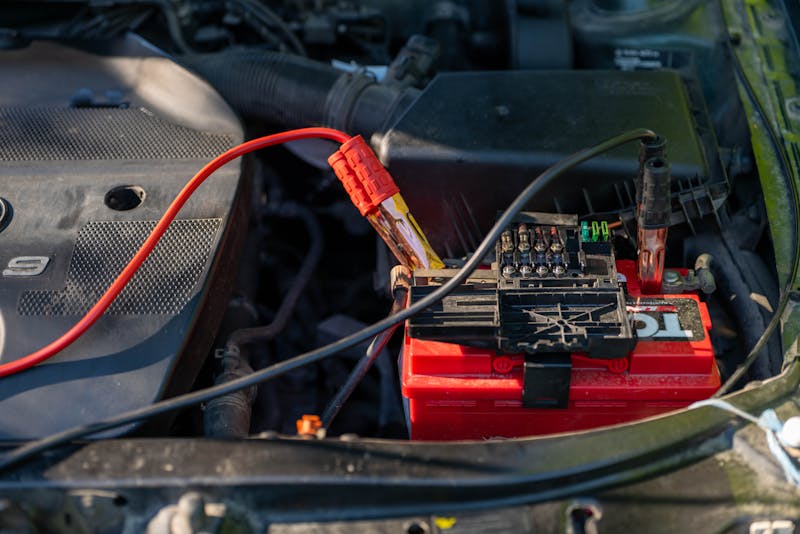
A weak or dead battery is one of the most common issues car owners face, especially during extreme temperatures. Batteries degrade over time, and a slow engine crank or dim lights can indicate they’re nearing the end of their lifespan. Before the problem worsens, check your battery terminals for corrosion and ensure the cables are tightly connected. If the battery is older than three years, consider having it tested or replaced.
What to do:
- Clean the terminals with baking soda and water.
- Check for loose or damaged cables.
- Replace the battery if the voltage is consistently low.
2. Engine Overheating: Is Your Temperature Gauge Rising?
Overheating can result from coolant leaks, a failing thermostat, or a malfunctioning radiator. When the temperature gauge climbs, it’s important to act quickly to prevent engine damage. Pull over, turn off the engine, and allow it to cool before checking the coolant level. Consistent overheating means you may need a system flush, a new thermostat, or radiator repairs.
Fixes to try:
- Top up coolant if it’s low.
- Inspect hoses for leaks or cracks.
- Have a mechanic perform a cooling system pressure test.
3. Brake Problems: Why Do You Hear Squeaking or Grinding?
Your brakes are essential for safety, and odd noises usually signal wear. Squeaking often means that the brake pads are wearing thin, while grinding indicates metal-on-metal contact. Addressing these signs early can prevent rotor damage and costly replacements.
Quick solutions:
- Replace worn brake pads.
- Check brake fluid levels.
- Have rotors resurfaced if necessary.
4. Tire Issues: What Causes Wear and Low Pressure?
Uneven tire wear, frequent pressure loss, or vibrations while driving can indicate alignment problems or punctures. Maintaining proper tire pressure improves fuel efficiency and prevents blowouts. Inspect your tires regularly and rotate them according to your manual’s recommendations.
Prevention tips:
- Inflate tires to the manufacturer-recommended PSI.
- Rotate tires every 5,000 to 8,000 miles.
- Check for nails, cracks, or bulges.
5. Strange Noises Under the Hood
Rattling, knocking, or clicking sounds can signal anything from loose components to oil issues. These noises shouldn’t be ignored because they often indicate developing mechanical failures. Pinpoint where the noise is coming from, and use your owner’s manual as a guide.
Possible fixes:
- Tighten loose belts or parts.
- Replace old engine oil.
- Seek professional help if noises persist.
6. Check Engine Light: Should You Be Worried?
The check engine light can turn on for minor issues like a loose gas cap or major problems involving sensors or the catalytic converter. While the car may still drive normally, delaying diagnosis can worsen the situation. Use an OBD-II scanner to identify codes before deciding your next steps.
What you can do:
- Tighten or replace the gas cap.
- Check for vacuum leaks.
- Consult a professional for complex codes.
7. Transmission Issues: Why Does Your Car Shift Roughly?
If your vehicle jerks, slips gears, or delays shifting, your transmission could be the culprit. Transmission repairs can be costly, so early intervention is crucial. Low or dirty transmission fluid is often the root cause of rough shifts.
How to fix it:
- Check and refill transmission fluid.
- Look for leaks under the car.
- Schedule a transmission service if problems continue.
8. Electrical System Failures
Electrical issues like malfunctioning lights, faulty power windows, or bad sensors can be frustrating and unpredictable. Because modern vehicles rely heavily on electronics, small faults can create larger car problems if ignored. Early diagnosis helps prevent safety hazards and failed components.
Troubleshooting tips:
- Replace blown fuses.
- Check wiring for visible damage.
- Test the alternator output if the lights dim while driving.
9. Exhaust System Troubles: Why Does Your Car Smell or Sound Different?
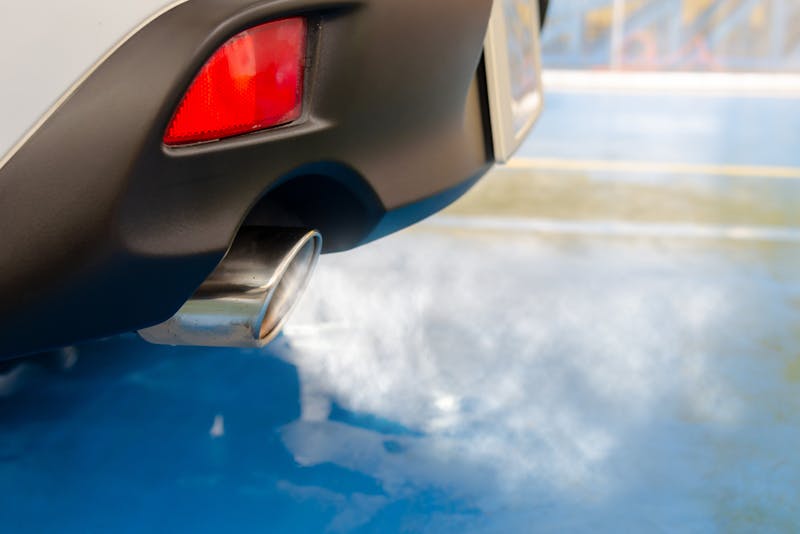
Unusual smells, loud muffler noises, or reduced fuel efficiency can indicate exhaust leaks or problems with the catalytic converter. Leaks can expose you to harmful fumes, so it’s important to act quickly.
How to address it:
- Inspect the exhaust pipe for rust or holes.
- Replace worn gaskets.
- Have the catalytic converter checked if performance drops.
10. Steering and Suspension Problems
If your car pulls to one side, feels bumpy, or you hear clunking over bumps, your steering or suspension system may be worn. These components affect ride comfort and vehicle control.
Fixes include:
- Check for low power steering fluid.
- Replace worn shocks or struts.
- Get a wheel alignment.
Conclusion
Staying ahead of common vehicle issues is one of the most effective ways to protect your car, your budget, and your safety. By recognizing early warning signs—whether it’s a strange noise, a dashboard light, or a small leak—you can prevent minor concerns from becoming expensive mechanical failures. Regular maintenance, simple DIY checks, and timely repairs all contribute to a smoother, safer driving experience.
The more you understand your vehicle, the more confidently you can respond when something feels off. With proactive care and attention, you can keep your car running efficiently and avoid the stress of unexpected breakdowns.