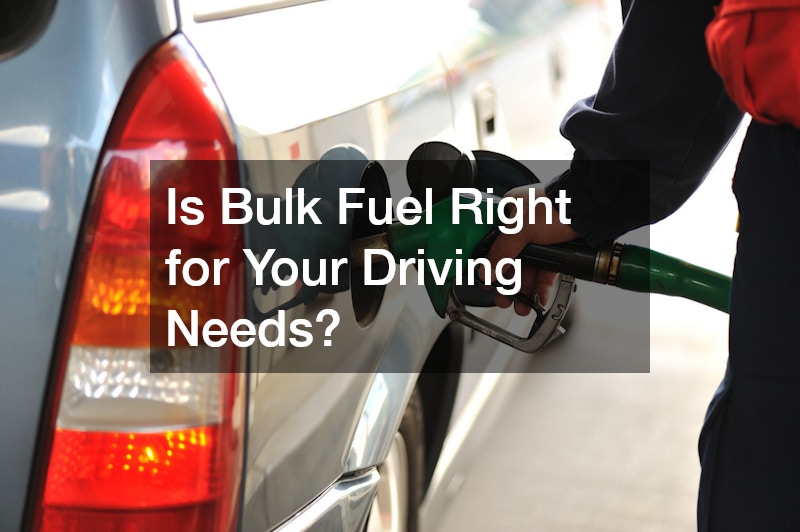
Fuel is one of the most consistent and unavoidable expenses for drivers. Whether commuting daily, managing a small business, or maintaining multiple vehicles, the cost and convenience of fueling can significantly impact your overall driving experience. While most drivers rely on traditional gas stations, alternative fueling methods are becoming more common, especially for those looking to improve efficiency and reduce long-term costs.
One option that has gained attention is bulk fuel, which involves purchasing fuel in larger quantities and storing it for later use. This approach is often associated with commercial operations, but it is increasingly being considered by individual drivers and small-scale users.
The idea of having a ready supply of fuel on hand can be appealing, particularly for those who value convenience and consistency.
However, this method is not ideal for everyone. Deciding whether it makes sense for your situation requires careful consideration of your driving habits, storage capabilities, and overall goals. Understanding how it works and evaluating its benefits and limitations can help you determine if it aligns with your needs.
Evaluating Your Driving Habits
One of the most important factors in deciding whether bulk fuel is right for you is your driving routine. Drivers who travel long distances regularly or operate multiple vehicles may benefit more from having a dedicated fuel supply. Frequent trips to the gas station can take time and add up in terms of both fuel and convenience costs.
For individuals with predictable driving patterns, having fuel readily available can simplify daily routines. It eliminates the need to plan stops for refueling and reduces the risk of running low at inconvenient times. This can be especially useful in rural areas or locations where gas stations are not easily accessible.
On the other hand, drivers with minimal or occasional fuel needs may not see the same level of benefit. If refueling is already infrequent and convenient, the effort and cost associated with setting up a storage system may outweigh the advantages.
Cost Considerations and Savings
Cost is often a primary motivator for exploring alternative fueling options. Purchasing fuel in larger quantities can sometimes result in lower per-gallon prices, depending on market conditions and supplier agreements. Over time, these savings can add up, particularly for high-usage drivers.
In addition to potential price advantages, there are indirect cost savings to consider. Reducing trips to gas stations can save time and lower fuel consumption associated with detours. For businesses or households with multiple drivers, these efficiencies can contribute to overall cost reduction.
However, it is important to factor in the initial investment required for storage equipment and setup. Tanks, pumps, and safety features can represent a significant upfront expense. Ongoing maintenance and compliance with local regulations may also add to the overall cost. Evaluating both short-term and long-term expenses is essential when determining the financial viability of this approach.
Storage and Safety Requirements
Proper storage is a critical aspect of using bulk fuel. Fuel must be stored in approved containers or tanks that meet safety standards and local regulations. This ensures that it remains stable and reduces the risk of leaks, spills, or contamination.
Location is another important consideration. Storage systems should be placed in well-ventilated areas away from living spaces and potential ignition sources. Clear labeling, secure connections, and routine inspections help maintain a safe environment.
Safety training is also important for anyone handling stored fuel. Understanding how to properly dispense fuel, respond to spills, and maintain equipment can prevent accidents and ensure safe operation. While these requirements may seem extensive, they are necessary to protect both property and individuals.
Environmental and Practical Considerations
While bulk fuel offers several advantages, it is important to consider its environmental impact. Proper storage and handling are essential to prevent leaks or spills that could harm the surrounding environment. Using high-quality equipment and following best practices helps minimize these risks.
Practical considerations also include monitoring fuel quality over time. Stored fuel can degrade if not used within a certain period, which may affect engine performance. Regular rotation and proper storage conditions help maintain quality and ensure reliable use.
Additionally, compliance with local regulations is necessary. Requirements may vary depending on location and storage capacity, so it is important to understand and follow all applicable guidelines. Staying informed about these regulations helps avoid potential fines or safety issues.
Choosing the right fueling approach depends on a variety of factors, including driving habits, budget, and available space. Bulk fuel can offer significant advantages in terms of convenience, efficiency, and potential cost savings, particularly for those who use vehicles frequently or manage multiple units.
However, it also requires careful planning, proper storage, and adherence to safety standards. The initial investment and ongoing responsibilities may not be suitable for every driver, especially those with minimal fuel needs or limited space.
Ultimately, the decision comes down to evaluating your specific situation and determining whether the benefits align with your goals. By considering factors such as usage, cost, and convenience, you can make an informed choice that supports your driving needs and lifestyle.