
- Early diagnosis of car problems helps prevent major damage and reduces repair costs.
- Dashboard warning lights, unusual sounds, and performance changes are reliable indicators of underlying issues.
- Basic tools like an OBD-II scanner can provide quick insights without requiring professional help.
- Regular visual inspections and fluid checks allow car owners to detect problems before they become severe.
- Some issues still require a mechanic, especially when safety, internal engine parts, or transmission systems are involved.
Car issues often show up unexpectedly, and visiting a mechanic every time something feels off can be expensive and inconvenient. While automotive professionals are essential for major repairs, many common problems can be diagnosed at home with the right approach. Today’s vehicles come with built-in systems, signals, and auditory clues that help owners determine what might be wrong long before they step into an auto shop. Understanding these early indicators can prevent breakdowns, reduce repair costs, and extend the life of your vehicle.
This guide will teach car owners how to identify warning signs, use simple tools, and apply visual and auditory checks to spot problems early. Each section offers practical steps that do not require advanced automotive knowledge or specialized equipment. With the right process, diagnosing basic car problems becomes a practical skill any car owner can develop.
Understanding the Basics: Why Early Diagnosis Matters
Diagnosing car problems early can save you from costly repairs and dangerous situations on the road. Small issues usually have subtle symptoms, and catching them before they escalate helps keep your vehicle running efficiently. Modern cars also contain onboard diagnostic (OBD) systems that offer detailed clues about what might be wrong. Learning how to interpret these signs empowers car owners to make informed decisions instead of guessing what needs fixing.
Early diagnosis also reduces unnecessary mechanic visits. Not every rattle, vibration, or warning light requires professional intervention. Many times, you can pinpoint the cause at home by conducting a few simple inspections. This section helps lay the foundation for understanding what to look for and why those early indicators matter.
Benefits of diagnosing problems early
- Prevents minor issues from developing into major mechanical failures.
- Saves money on labor costs and parts by addressing problems sooner.
- Helps maintain the car’s performance, fuel efficiency, and safety.
- Reduces stress by giving car owners more control over maintenance decisions.
How to Read Dashboard Warning Lights Effectively
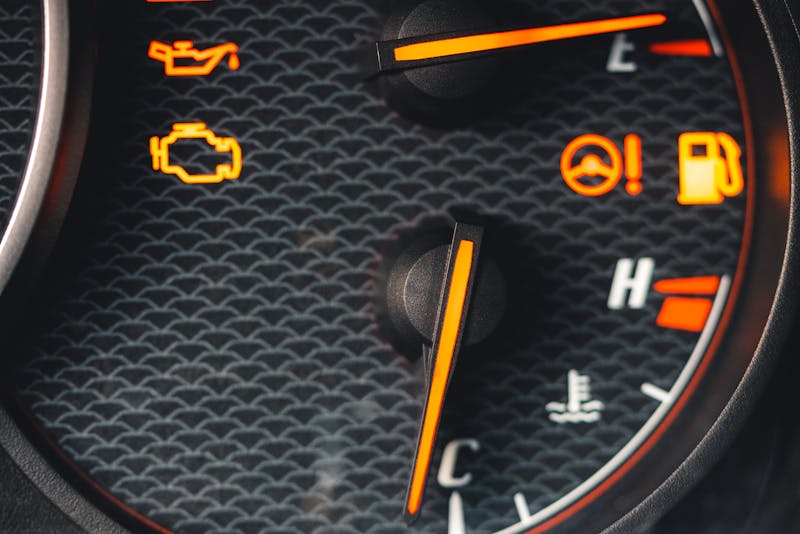
Dashboard lights are the primary communication tool between your vehicle and you. When something is wrong, the car’s internal systems will trigger these lights to indicate potential faults. Understanding what these warnings mean is the first major step in diagnosing issues without professional help. Although some lights indicate urgent problems, others simply alert you to minor maintenance needs that you can investigate on your own.
Each vehicle’s manual has a full list of dashboard icons, but most modern cars follow universal symbols. Learning to recognize these lights helps eliminate confusion and allows you to respond appropriately. By paying attention to color, symbol, and behavior, you can quickly narrow down the issue.
Common dashboard lights and what they mean
- Check Engine Light: Indicates engine or emissions-related issues.
- Oil Pressure Light: Signals low oil levels or a failing oil pump.
- Battery/Charging Light: Shows problems with the alternator or battery.
- Coolant Temperature Light: Warns of overheating conditions.
- Tire Pressure Monitoring Light: Points to underinflated or leaking tires.
What to do after a warning light turns on
- Note if the light is steady or blinking.
- Pull over safely if the light suggests serious engine trouble.
- Inspect fluid levels, tire pressure, or loose battery terminals.
- Use an OBD-II scanner for deeper insights.
Listening to Your Car: Diagnosing Problems Through Sound
Strange noises are often early indicators of mechanical trouble. Your vehicle will usually make familiar sounds during normal operation, but new or unusual noises should prompt closer inspection. By paying attention to when, where, and how the sound appears, you can identify its source and determine the severity of the issue. Understanding sound-based clues is especially helpful for car owners who do not have access to tools.
Noise-related symptoms often occur during specific actions such as accelerating, braking, or turning. This makes it easier to match the sound to a particular system. This section explains common noises, what they may indicate, and how to narrow them down without dismantling parts of your car.
Common noises and likely causes
- Squealing during braking: Worn brake pads.
- Knocking in the engine: Low oil or damaged engine components.
- Clicking while turning: Failing CV joints.
- Rattling beneath the car: Loose heat shields or exhaust components.
- Hissing under the hood: Coolant or vacuum leaks.
How to analyze the sound
- Identify when the sound occurs.
- Check if it changes with speed or engine load.
- Inspect the general area where the noise originates.
- Compare the sound to online diagnostic audio libraries.
Using an OBD-II Scanner: A Simple Tool for Car Owners
An OBD-II scanner is one of the most useful devices for diagnosing car problems at home. These tools plug into the vehicle’s onboard diagnostic port and read error codes stored in the system. While mechanics use professional-grade scanners, basic consumer versions are affordable and easy to operate. They provide insight into engine, transmission, and emissions-related issues.
Learning how to read and interpret codes allows car owners to pinpoint problems without guesswork. Error codes usually follow a standard format, helping you determine whether the issue relates to sensors, airflow, ignition, or fuel systems. This section explains how to use the scanner and what to expect from the results.
How to use an OBD-II scanner
- Locate the diagnostic port beneath the dashboard.
- Plug the scanner into the port with the car turned off.
- Turn the ignition to accessory mode.
- Allow the scanner to read and display codes.
- Search the code definitions through the scanner’s app or manual.
Benefits of using a scanner
- Provides direct insight into mechanical or electrical faults.
- Helps determine whether a mechanic visit is necessary.
- Saves time and money by avoiding trial-and-error troubleshooting.
Visual Inspection Tips: Spotting Issues Under the Hood
Visual inspections are one of the simplest ways to identify car problems. Many issues leave visible clues such as leaks, corrosion, wear marks, or loose connections. Even if you’re not familiar with automotive components, knowing what a normal engine bay looks like helps you identify abnormalities. This section offers guidance on what to check and how often to perform these inspections.
Routine checks not only help diagnose problems but also prevent them. By inspecting hoses, belts, and fluid levels regularly, car owners can avoid sudden breakdowns. This section covers the areas that should be visually examined and what signs indicate trouble.
Key areas to inspect
- Belts and hoses for cracks, fraying, or leaks.
- Battery terminals for corrosion.
- Fluid reservoirs for proper levels and unusual colors.
- Air filters for dirt buildup.
- Visible oil or coolant leaks under the vehicle.
Red flags to watch for
- Burn marks or melting near electrical components.
- Dark, sludgy oil indicating overdue maintenance.
- Loose bolts or components shaking out of place.
Checking Fluid Levels and What They Reveal About Car Problems
Vehicle fluids play a critical role in keeping your car running smoothly. Low or contaminated fluids can cause serious problems, but they also serve as diagnostic indicators. Checking fluid levels is quick, easy, and requires no mechanical expertise. This section explains what different fluids tell you about your car’s health and how to inspect them safely.
Each fluid has its own color, texture, and smell, which helps car owners identify whether something is wrong. From engine oil to transmission fluid, understanding what to look for can reveal hidden mechanical issues long before they worsen.
Fluids to monitor regularly
- Engine oil
- Coolant
- Transmission fluid
- Brake fluid
- Power steering fluid
- Windshield washer fluid
What fluid problems look like
- Milky oil suggests coolant contamination.
- Low brake fluid indicates pad or line wear.
- Burnt-smelling transmission fluid means overheating.
- Colored leaks under the car reveal the source of the problem.
When the Car Won’t Start: Step-by-Step Troubleshooting
A car that refuses to start can be alarming, but many start-up issues have simple explanations. Whether the engine clicks, cranks weakly, or remains silent, there are ways to pinpoint the cause without opening the engine. This section breaks down the common starting problems and how to analyze them.
Start-up symptoms can reveal issues with the battery, starter, ignition, or fuel system. By checking each possibility in a structured manner, you can diagnose the problem without guesswork. This section provides a clear troubleshooting path for car owners facing no-start conditions.
Steps to diagnose a no-start situation
- Check if the battery has enough charge.
- Inspect battery cables for corrosion or looseness.
- Listen for a clicking noise that suggests a failing starter.
- Confirm that the fuel pump engages when the key is turned.
- Test ignition components, such as spark plugs, if the engine cranks but does not start.
Signs pointing to specific issues
- Slow cranking usually means a weak battery.
- One solid click often indicates a bad starter.
- Repeated clicking can suggest poor electrical connections.
- No sound at all may involve the ignition switch or a dead battery.
Diagnosing Car Problems Through Behavior and Performance Changes
Changes in how your vehicle drives can reveal underlying problems. Whether it’s a loss of power, unusual shaking, or difficulty shifting, performance-related symptoms should never be ignored. This section helps car owners match behavioral clues with potential causes.
Many performance issues stem from fuel, air intake, or electrical problems. Understanding these systems and their symptoms helps narrow down the issue faster. This section focuses on practical observations any car owner can make while driving.
Behavior-based symptoms
- Vibrations at high speeds.
- Slow acceleration or loss of power.
- Rough idling.
- Delayed shifting in automatic transmissions.
- Poor fuel economy.
Likely causes
- Dirty or clogged air filters.
- Failing spark plugs or ignition coils.
- Low transmission fluid.
- Worn suspension components.
- Faulty sensors affecting the fuel-air mixture.
Common Car Problems and Their Symptoms

Understanding the most frequent issues car owners face allows you to diagnose problems more quickly. Many car problems follow predictable patterns and produce well-known symptoms. This section uses the keyword and outlines some of the most common failures and how to recognize them. By learning these patterns, you’ll feel more confident identifying early signs of trouble.
Each problem is paired with simple diagnostic steps that car owners can perform. This helps you take action immediately or determine whether professional service is required. These examples apply to everyday driving situations and do not require specialized knowledge.
Frequent problems and simple symptoms
- Overheating: Rising temperature gauge, coolant smell, visible steam.
- Brake issues: Soft pedal, squealing sounds, longer stopping distance.
- Battery failure: Dim lights, weak crank, dashboard electrical faults.
- Tire problems: Pulling to one side, vibration, low pressure.
- Suspension wear: Bouncy ride, uneven tire wear, and clunking noises.
When to Seek Professional Help Even After DIY Diagnosis
While many car issues can be diagnosed at home, some problems require professional tools and expertise. Once you’ve gathered clues from sounds, warning lights, and performance changes, you should still know when it’s time to call a mechanic. This section explains what situations are too risky or complex for DIY troubleshooting.
Certain failures, such as internal engine damage or transmission problems, can worsen quickly if not handled correctly. Recognizing your limits not only protects your vehicle but also ensures your safety. This section outlines the signs that indicate immediate professional intervention.
Situations requiring a mechanic
- Persistent overheating even after topping up coolant.
- Metal grinding noises from the engine or brakes.
- Strong fuel smell inside the car.
- Sudden loss of power or stalling while driving.
- Transmission slipping or refusing to shift.
Why professional help matters
- Mechanics have specialized diagnostic equipment.
- Complex systems require technical expertise.
- Early professional intervention prevents costly damage.
Conclusion
Diagnosing car problems without going to a mechanic is a practical skill every car owner can develop with time, awareness, and the right steps. By learning how to recognize early warning signs, interpret dashboard lights, listen for unusual sounds, and conduct basic inspections, you gain valuable insight into your vehicle’s overall health. These simple techniques not only save money but also reduce the risk of sudden breakdowns and long-term damage.
While DIY diagnosis can help you catch minor issues early, it is still important to recognize when a problem requires professional attention. Combining your own observations with timely visits to a trusted mechanic ensures your vehicle remains dependable, safe, and efficient. The more familiar you become with your car’s normal behavior, the easier it becomes to spot issues before they escalate. With consistent practice, diagnosing car problems becomes less daunting and more empowering for every car owner.