Driving on the open road can be an exhilarating experience, but emergencies can arise unexpectedly, demanding swift and effective responses. This article provides comprehensive guidance on handling emergency roadside situations, arming you with the knowledge needed to ensure safety and efficiency in a crisis. Whether you’re dealing with a flat tire, understanding vehicle warning lights, or crafting a robust emergency kit, this guide will prepare you for the unexpected.
What Should You Do First in an Emergency Roadside Situation?
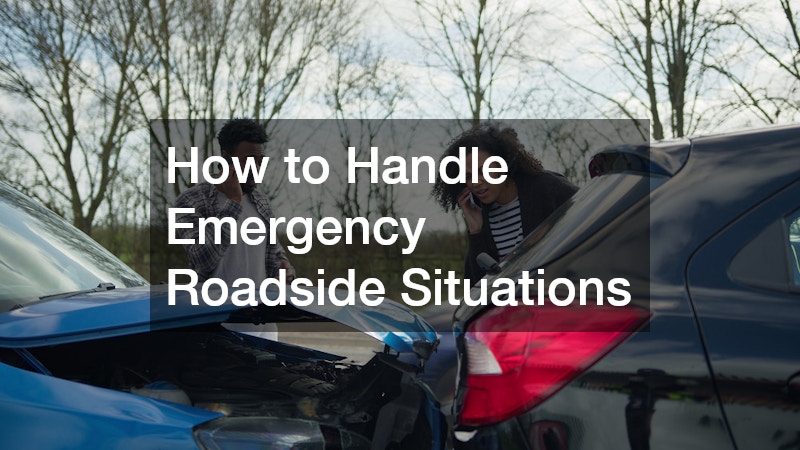
Your immediate response is to evaluate the surroundings carefully, ensuring the safety of yourself and passengers. Check traffic, vehicle position, and potential hazards like oncoming vehicles or environmental factors.
A calm assessment can prevent additional incidents and facilitate communication with emergency services. Maintain a cool demeanor; secure the vehicle, remain visible, and only exit if safe. Use hazard lights and place reflective triangles or flares if necessary to alert other drivers and minimize disruption.
In significant emergencies, contact emergency services immediately. Dial 911 or the local equivalent, providing detailed information about your location and the nature of the emergency. Clear communication can influence the speed and effectiveness of the response. While waiting for assistance, remain in your vehicle if safe, especially in high-traffic areas. The car offers protection from dangers and weather, allowing you to monitor developments and relay further details. Once emergency services have been contacted, reach out to a 24 hour tow truck service to ensure your vehicle is safely removed and to prevent further hazards or delays.
Activate hazard lights to alert other drivers of your distress. Use flares or reflective triangles, especially in low-visibility conditions. These tools help create a buffer zone, alerting approaching drivers in advance and reducing risk. Learning to use these tools is part of being a responsible driver. Regularly check your emergency kit to ensure items are functional and effective in handling emergencies safely.
How to Deal with a Flat Tire Efficiently?
When facing a flat tire, proper tools are essential: a spare tire, jack, and lug wrench. Familiarity with their use saves time. Regularly check the spare tire and tools to ensure readiness. Consider supplementary tools like a tire pressure gauge and portable air compressor for additional preparedness. Comprehensive preparation allows handling a flat tire without assistance.
Park on a stable, level surface, engage the parking brake, and position warning tools like reflective triangles. Loosen lug nuts before raising the vehicle with a jack, replace the tire, and ensure nuts are secure before storing used tools. After changing the tire, drive a short distance to check stability and consider visiting a service center for a permanent solution since spare tires are for temporary use.
Spare tires are temporary, allowing you to reach a service center for a permanent fix. Follow manufacturer’s speed and distance specifications. Patching or plugging a puncture is temporary and requires professional assessment. Decide between repair versus replacement considering safety and cost. Replacing when necessary prevents repeated incidents, enhancing road confidence and security.
What Are Key Preparations for Roadside Emergencies?
A well-stocked roadside kit is vital for safety during unexpected situations. It should include essentials for emergencies such as first aid supplies for minor injuries, flashlights with extra batteries for visibility, and basic tools like screwdrivers, pliers, and duct tape for temporary repairs. Regularly update your kit based on the climate and terrain you’ll encounter. In harsh winters, add cold-weather gear like blankets, extra warm clothing, and non-perishable food for comfort and survival if stranded.
Routine vehicle maintenance prevents emergencies and extends vehicle life. Regularly check fluid levels like oil, coolant, brake, and transmission fluids, and evaluate brakes and tires to identify potential issues. Professional evaluations can reveal hidden problems, while being attentive to new noises can avert significant issues, ensuring a secure driving experience.
Your vehicle’s dashboard warning lights provide real-time health indicators. Familiarize yourself with these symbols by consulting your owner’s manual to respond promptly and avoid costly repairs. Addressing warning lights quickly maintains your vehicle’s well-being.
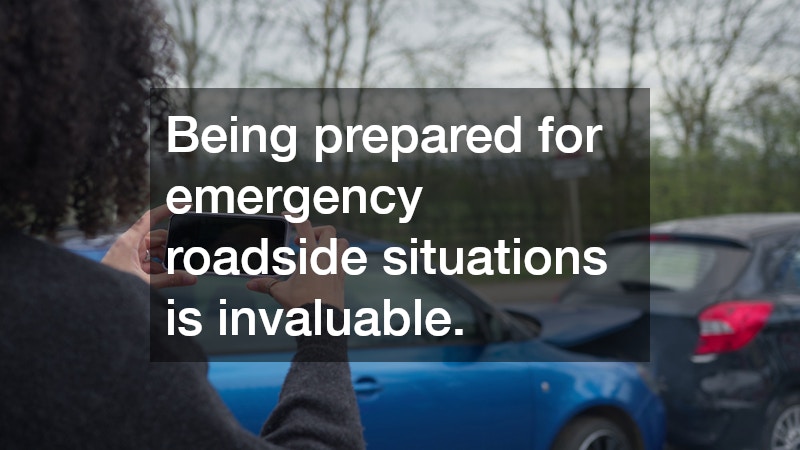
In conclusion, being prepared for emergency roadside situations is invaluable, providing safety, security, and peace of mind during journeys. This article has outlined methods to handle emergencies with confidence, from managing a flat tire to understanding vehicle warning lights. With a proactive stance and well-considered preparations, you can navigate roadside challenges effectively, safeguarding both yourself and others on the road.