- Tail lights and brake lights operate on separate circuits, so one can fail without affecting the other.
- The most common causes of tail lights not working but brake lights are include blown fuses, burned-out bulbs, faulty switches, wiring issues, corroded sockets, and malfunctioning ambient light sensors.
- Always start troubleshooting with the simplest and least expensive fixes, such as checking fuses and replacing bulbs.
- Inspecting wiring and bulb sockets is crucial, as corrosion or damage can prevent electricity from reaching the tail lights.
- Modern vehicles may have ambient light sensors that control tail lights automatically; a faulty sensor can prevent tail lights from turning on even when brake lights work.
- Regular maintenance—checking bulbs, fuses, sockets, wiring, and sensors—can prevent most tail light failures.
- Driving with non-functioning tail lights is dangerous and illegal; address issues promptly and consult a professional for complex electrical problems.
Few things are more frustrating than discovering that your tail lights are not working while your brake lights are functioning perfectly. Not only is this a safety hazard, but it can also leave you vulnerable to traffic violations and accidents at night. Fortunately, understanding the reasons behind this issue and how to fix it is easier than many drivers think. In this guide, we’ll explore the most common causes, provide step-by-step solutions, and offer tips to prevent the problem in the future.
Understanding Tail Light Systems
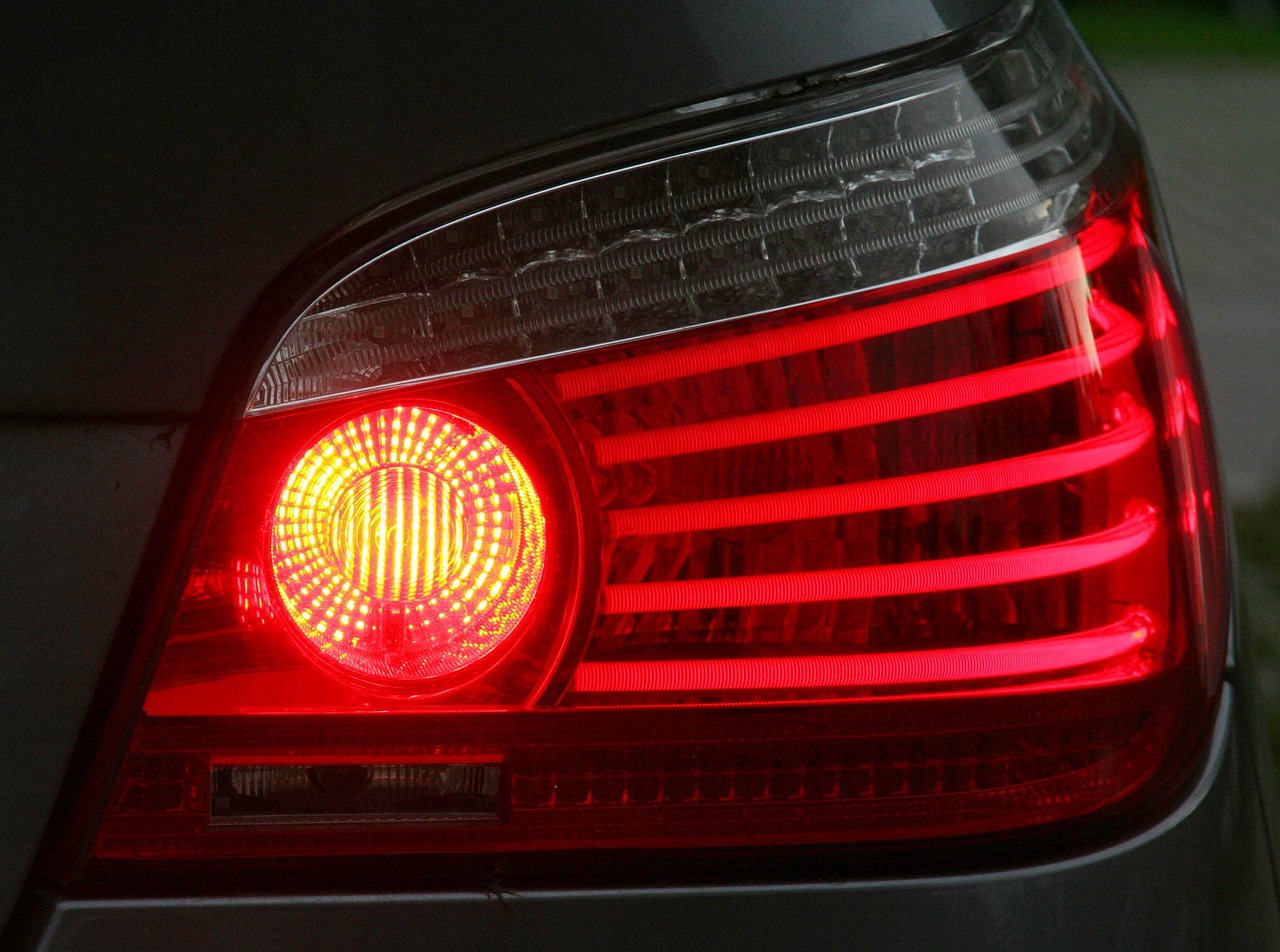
Tail lights and brake lights are often assumed to be part of the same system, but they operate differently. Most vehicles use separate circuits, fuses, and even bulbs for tail lights and brake lights. This separation means that one can fail without affecting the other. For example, your brake lights may illuminate perfectly when pressing the pedal, while the tail lights fail to turn on when driving at night.
Knowing this distinction is important because it narrows down the troubleshooting process. Instead of assuming a total electrical failure, you can focus on specific components that are likely responsible.
Tail Lights Not Working but Brake Lights Are: Common Causes
Several issues can lead to tail lights failing while brake lights continue to operate. Here are the six most frequent culprits:
1. Blown Tail Light Fuse
The fuse for your tail lights is designed to protect the circuit from electrical surges. When a fuse blows, it breaks the circuit, preventing electricity from reaching the lights. This is often the first thing to check because it’s both a common and inexpensive problem to fix.
How to Fix:
- Locate your vehicle’s fuse box, usually found under the hood or beneath the dashboard.
- Identify the tail light fuse using the diagram on the fuse box cover.
- Remove the fuse and inspect it for a broken metal filament inside.
- Replace it with a fuse of the same amperage rating.
- Test the tail lights to ensure they now illuminate.
Checking the fuse first is a smart move because it avoids unnecessary replacement of other parts and can solve the problem immediately.
2. Faulty Light Switch
The light switch—either on the dashboard or steering column—controls the flow of electricity to the tail lights. Over time, these switches can wear out due to frequent use or internal corrosion, preventing the lights from receiving power.
How to Fix:
- Dashboard switches: These are usually easier to access and can often be pulled out and replaced directly.
- Steering column switches: These are slightly more complex. You may need to remove the plastic shroud around the steering column to reach the wiring. Once exposed, the switch can be swapped for a new one.
Testing the switch before replacing other components can save time and money.
3. Burned-Out Bulbs
Although it’s uncommon for both tail light bulbs to burn out simultaneously, it does happen, particularly in older vehicles. Bulbs naturally degrade over time, and environmental factors like moisture and vibration can accelerate the process.
How to Fix:
- Access the tail light housing, usually through the trunk or rear panel.
- Carefully remove the old bulb. Avoid touching the glass with bare fingers as oils can create hot spots that shorten bulb life.
- Install a new bulb and secure it in place.
- Test the lights to confirm they are working correctly.
Replacing bulbs is straightforward and inexpensive, making it a logical next step if the fuse appears intact.
4. Wiring Problems
Tail lights rely on wiring to deliver electricity from the fuse and switch to the bulbs. Corrosion, breaks, or loose connections can disrupt this flow. Often, water intrusion in the rear of the vehicle or rodent damage can cause wiring issues.
How to Fix:
- Inspect the wires near the tail light assembly for any visible damage or corrosion.
- If damaged sections are found, cut out the affected portion and strip the ends.
- Use electrical tape or connectors to splice in a new piece of wire.
- Ensure the connections are tight and secure before testing the lights.
Regular inspections of rear wiring can prevent sudden failures, especially in older vehicles or those frequently exposed to moisture.
5. Corroded Bulb Socket
The socket that holds the tail light bulb can also corrode over time. Moisture seeping into the light housing can cause corrosion or even short circuits, preventing the bulbs from receiving power.
How to Fix:
- Remove the tail light assembly to access the socket.
- Check for signs of corrosion or moisture, such as fogging, discoloration, or residue.
- Disconnect the power cable and replace the socket if corrosion is present.
- Reinstall the assembly and test the lights.
Ensuring that the bulb socket remains clean and dry is key to long-term tail light reliability.
6. Faulty Ambient Light Sensor
Modern vehicles often include an ambient light sensor that automatically turns on tail lights when it gets dark. If this sensor malfunctions, the lights may not illuminate even at night, while brake lights still respond to pedal pressure.
How to Fix:
- Diagnosing and replacing an ambient light sensor can be complex, often requiring partial dashboard disassembly. For many drivers, consulting a professional is the safest option.
- Regular maintenance checks on sensor operation can help detect issues before they affect driving safety.
Step-by-Step Troubleshooting Guide
When dealing with tail lights that aren’t working but brake lights are, it helps to follow a logical order. Start with the simplest fixes and work toward more complex solutions:
- Check the Fuse: This is the easiest and cheapest fix.
- Inspect Bulbs: Replace any burned-out bulbs.
- Test the Light Switch: Swap out the switch if it appears worn or faulty.
- Examine Wiring: Look for broken, frayed, or corroded wires.
- Inspect Bulb Sockets: Replace if corroded or damaged.
- Check the Ambient Light Sensor: Consider professional help if other fixes fail.
Following this sequence prevents unnecessary replacements and helps pinpoint the problem efficiently.
Safety Considerations
Driving with malfunctioning tail lights is dangerous and illegal in most areas. Tail lights signal your presence to other drivers, especially in low-light conditions, fog, or rain. Without them, you risk collisions and traffic citations. If you notice your tail lights are out, take immediate action:
- Avoid driving at night if possible.
- Use hazard lights temporarily while troubleshooting.
- Replace any faulty components before resuming regular driving.
Preventive Maintenance Tips

Maintaining your tail lights can prevent many of these problems from occurring. Here are some proactive steps:
- Regularly Inspect Bulbs: Check tail lights monthly for any dimming or flickering.
- Keep Sockets Dry: Ensure seals are intact to prevent moisture intrusion.
- Check Fuses Periodically: Replace any aging fuses to avoid unexpected failures.
- Monitor Wiring: Look for frayed wires or corrosion during routine vehicle maintenance.
- Test Automatic Sensors: Ensure ambient light sensors are functioning correctly, particularly before winter or rainy seasons.
These small maintenance steps can save time, money, and stress while improving overall driving safety.
When to Seek Professional Help
While many tail light issues can be handled by a DIY-savvy driver, some situations require professional intervention:
- Persistent electrical problems that aren’t resolved by fuses, bulbs, or switches.
- Faulty ambient light sensors that require dashboard disassembly.
- Complex wiring repairs where splicing or soldering is needed.
- Vehicles with advanced lighting systems such as LED arrays or adaptive lighting.
A professional technician can diagnose and repair these problems efficiently, ensuring your vehicle remains safe and roadworthy.
Cost Considerations
Here’s a rough breakdown of potential costs for common tail light repairs:
| Issue | Typical Cost | Notes |
| Fuse Replacement | $1–$10 | Most affordable fix, can often be done yourself |
| Bulb Replacement | $5–$20 per bulb | Simple DIY task, especially for standard bulbs |
| Light Switch Replacement | $30–$100 | Dashboard switches are cheaper; steering column switches more expensive |
| Wiring Repair | $20–$100+ | Cost depends on labor and severity of damage |
| Bulb Socket Replacement | $10–$50 | Usually straightforward but may require partial disassembly |
| Ambient Light Sensor | $50–$200+ | Labor-intensive, may require professional service |
Starting with inexpensive fixes and progressing to more costly repairs ensures you only spend money where necessary.
Wrapping It Up
Tail lights are crucial for signaling your presence to other drivers, especially at night or in adverse weather conditions. If you discover that your tail lights are not working but brake lights are, don’t panic. With a systematic approach, you can identify and fix the problem efficiently.
Start with simple solutions like checking fuses and bulbs, and then move on to switches, wiring, and sensors if necessary. Regular maintenance and inspections can prevent most issues before they become dangerous. Prioritizing safety and addressing tail light failures promptly ensures you, your passengers, and other road users remain protected at all times.