Owning a vehicle is both a major financial investment and an indispensable part of daily life. Whether you drive a compact commuter car, a heavy-duty commercial truck, or a customized weekend cruiser, maintaining its reliability, safety, and aesthetic appeal requires a deliberate and proactive strategy. Many vehicle owners view automotive care purely through the lens of emergency fixes—waiting for a warning light to illuminate or an unusual sound to develop before seeking professional help. However, shifting your mindset toward comprehensive vehicle management can dramatically extend the life of your automobile while protecting its overall market value.
Total vehicle care encompasses far more than routine oil changes and tire rotations. It represents a holistic approach that bridges the gap between mechanical dependability, structural safety, visual aesthetics, and interior comfort. From ensuring your engine runs smoothly under heavy loads to repairing glass damage that threatens structural integrity, every component plays a role in how your vehicle performs and feels. This guide offers an in-depth breakdown of essential automotive maintenance and customization options, helping you make informed decisions to keep your vehicle running safely and looking its best for years to come.
Mechanical Health & Power Distribution
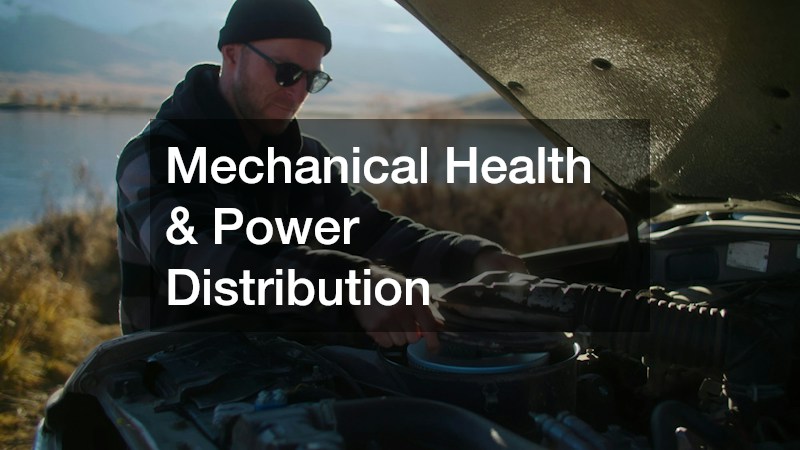
Maintaining the mechanical core of your vehicle is the single most effective way to ensure long-term dependability and avoid catastrophic roadside failures. Internal combustion engines, transmissions, and drivetrain systems operate under immense heat and friction, making regular inspections and fluid management vital to their longevity.
A proactive approach to engine health begins with understanding how various fluids degrade over time. Engine oil, transmission fluid, coolant, and brake fluid all serve distinct lubricating, cooling, and hydraulic functions. Over time, heat breakdown and microscopic debris contaminate these fluids, reducing their effectiveness and accelerating mechanical wear.
Establishing a consistent service routine helps catch minor issues before they escalate into major disruptions. Key inspection areas that every driver should monitor include:
- Fluid Viscosity and Clarity: Regularly check engine oil and transmission fluid levels and colors. Dark, gritty, or burnt-smelling fluid indicates that thermal breakdown has occurred and immediate service is required.
- Belt and Hose Integrity: Serpentine belts and radiator hoses are subject to dry rot, cracking, and tension loss. Replacing these items at recommended manufacturer intervals prevents sudden overheating and loss of power steering or alternator function.
- Braking System Performance: Inspect brake pads, rotors, and hydraulic lines for uneven wear or fluid leaks. Spongy pedal feel or squealing noises during application demand prompt professional attention.
- Battery and Electrical Charging: Test battery voltage and clean terminal corrosion regularly, particularly before extreme summer or winter seasons when electrical demands peak.
Addressing minor mechanical adjustments promptly reduces long-term operational costs and prevents secondary damage to surrounding components. When unexpected mechanical issues do arise, turning to qualified technicians for comprehensive auto repairs ensures that issues are diagnosed accurately using advanced diagnostic equipment rather than guesswork.
Powertrains also vary significantly depending on the design and intended use of the vehicle. For instance, high-torque work vehicles and heavy-duty haulers feature specialized fuel systems, glow plugs, and turbochargers that require distinct diagnostic procedures compared to standard passenger cars. Proper maintenance for these heavy-duty units involves monitoring exhaust gas recirculation systems, managing diesel exhaust fluid levels, and servicing high-pressure fuel injectors. Entrusting these complex powerplants to a dedicated diesel truck repair specialist ensures that heavy-duty components receive the exact pressures, clearances, and fluid specifications required to handle demanding towing and hauling applications safely.
Selecting the right professional to handle your engine and drivetrain is critical. Modern vehicles rely heavily on complex onboard computer networks that monitor everything from air-fuel ratios to transmission shift points. A certified auto mechanic possesses both the technical diagnostic software and the hands-on expertise necessary to interpret error codes, measure mechanical tolerances, and perform repairs according to strict factory specifications.
Structural Integrity & Accident Recovery
A vehicle’s body and frame do far more than provide an appealing shape; they form the primary protective shell designed to keep occupants safe during a collision. Modern automobiles utilize unibody construction or traditional body-on-frame designs engineered with precise crumple zones. These zones absorb and redirect impact energy away from the passenger cabin during an accident. However, even minor impacts can compromise this structural framework, altering geometry and reducing the vehicle’s capability to protect passengers in future incidents.
Following an accident, a thorough evaluation involves much more than inspecting surface-level dented metal or scratched paint. Beneath plastic bumpers and sheet metal panels lie critical structural supports, suspension mounting points, and crash sensors that may have shifted or sustained hidden damage. Professional collision repair involves:
- Computerized Frame Alignment: Utilizing three-dimensional measuring systems to verify that the vehicle’s frame or unibody matches exact factory dimensions down to the millimeter.
- Suspension and Geometry Recalibration: Ensuring that control arms, struts, and steering linkages are undamaged and perfectly aligned to prevent erratic handling and rapid tire wear.
- Sensor and Safety System Resetting: Verifying that airbag deployment sensors, proximity radars, and impact zone detectors are fully operational and properly calibrated.
- Corrosion Protection Application: Applying anti-corrosion primers and seam sealers to exposed metal surfaces to prevent rust from forming inside structural cavities post-repair.
Working with an established provider of local collision services gives drivers peace of mind that their vehicle will be restored to its original structural integrity using industry-standard equipment and certified repair protocols.
Restoring the exterior appearance of a damaged vehicle requires high levels of craftsmanship and precision. Metal finishing, panel alignment, and multi-stage paint matching are delicate processes that demand specialized facilities. When sheet metal is bent or punctured, technicians must determine whether paintless dent repair, panel pulling, or full section replacement is the safest and most cost-effective path forward.
Refinishing repaired panels involves a meticulous multi-step process. First, the metal surface is sanded, prepped, and treated with corrosion-resistant primers. Next, computerized color-matching technology scans the vehicle’s existing paint to adjust for subtle fading caused by sun exposure over time. Finally, base coat color and durable clear coats are applied in climate-controlled spray booths and cured under heat lamps. Seeking expert auto body repair ensures that paint finishes bond seamlessly, protecting the underlying metal from environmental oxidation while restoring the vehicle’s pristine showroom appearance.
Glass Integrity, Visibility & Modern Driver Safety
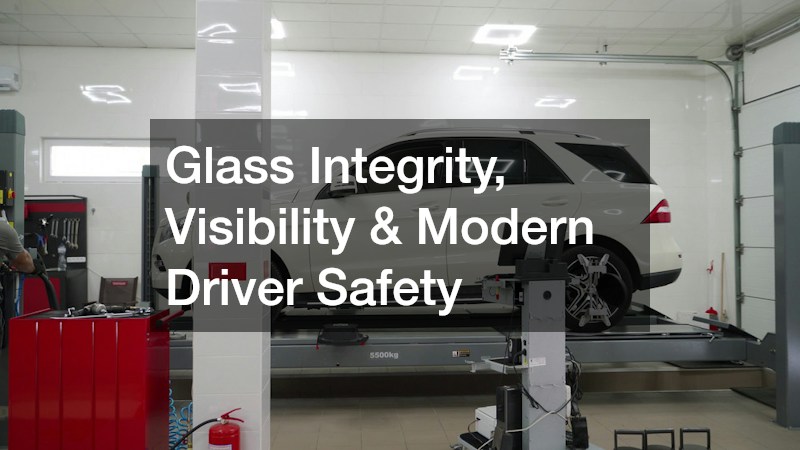
Automotive glass is often overlooked as a basic cosmetic component, but it plays a vital structural role in modern vehicle safety design. The windshield accounts for a significant portion of a vehicle’s structural rigidity, providing critical support to prevent roof collapse during a rollover accident and serving as a backstop for passenger-side airbag deployment. Driving with a cracked, chipped, or improperly installed windshield compromises this protective barrier and poses serious safety risks to all occupants.
When road debris strikes a windshield, it typically causes small chips, bullseyes, or star breaks. Evaluating whether these imperfections can be repaired or require complete glass replacement depends on the size, location, and depth of the damage:
- Chip Size and Depth: Small chips smaller than a quarter that have not penetrated the inner layer of laminated glass can usually be sealed with optically clear resin.
- Location Near Edges: Cracks or chips located within two inches of the windshield’s outer edge compromise structural strength and typically mandate a complete replacement.
- Driver Line of Sight: Damage directly in the driver’s primary line of vision should generally prompt a full replacement, as resin repairs can leave subtle optical distortions that interfere with clear visibility.
- Temperature Stress Hazards: Unrepaired chips exposed to rapid temperature changes—such as running defrosters on a freezing morning—can instantly spread into full-width stress cracks across the pane.
Relying on an experienced auto glass company guarantees that replacements use high-grade glass, OEM-spec polyurethane adhesives, and precise installation techniques to preserve structural bonding and prevent water or wind leaks.
Beyond the front windshield, side windows, rear defrosters, and internal mechanism components require specialized care to maintain cabin security and functionality. Power window systems rely on a complex network of switches, electric motors, regulator cables, and weather-stripping channels to raise and lower glass smoothly. When windows bind, move slowly, or drop into the door cavity, comprehensive auto window services can diagnose whether the issue stems from a burned-out motor, a snapped regulator cable, or misaligned track guides, restoring smooth operation and weather protection.
Furthermore, modern automotive glass replacement involves far more than physical glass fitting. Most modern vehicles are equipped with Advanced Driver Assistance Systems (ADAS) that rely on cameras and optical sensors mounted directly behind the upper portion of the windshield. These systems power vital safety capabilities, including automatic emergency braking, lane-keeping assist, adaptive cruise control, and pedestrian detection. Whenever a windshield is removed and replaced, these sensitive camera modules are disturbed. Professional recalibration—using specialized target boards and electronic diagnostic software—is mandatory to ensure that safety systems read the road accurately and respond correctly in critical driving situations.
Exterior Styling & Paint Protection Systems
While mechanical care keeps a vehicle running reliably, exterior customization and protective services allow owners to preserve their vehicle’s finish or transform its appearance entirely. Daily driving exposes paintwork to a barrage of environmental hazards, including ultraviolet radiation, road salt, gravel strikes, bird droppings, and industrial fallout. Without adequate protection, clear coats degrade, leading to dulling, oxidation, and eventual rust formation.
One of the most practical and popular exterior upgrades is high-performance window film application. Modern window films have evolved far beyond simple dark dyes; today’s advanced nano-ceramic and metallic films offer exceptional thermal rejection and UV defense without obscuring nighttime visibility. Key benefits of quality window film installations include:
- Ultraviolet Light Rejection: High-grade films block up to 99% of harmful UVA and UVB rays, protecting occupants’ skin and preventing interior leather, vinyl, and plastic surfaces from cracking or fading.
- Infrared Heat Reduction: Advanced ceramic films reject significant amounts of solar heat energy, keeping cabin temperatures cooler and reducing load on the air conditioning system.
- Glare Reduction: Decreasing direct sunlight and headlight glare improves driver comfort and reduces eye strain during long trips or night driving.
- Shatter Resistance: Window film helps hold shattered glass together during an impact or attempted break-in, adding a valuable layer of physical security.
Selecting professional auto tinting ensures that films are cut precisely to match glass dimensions and installed in a dust-free environment, eliminating unsightly air bubbles, peeling edges, or purple discoloration over time.
For vehicle owners looking to change their vehicle’s color or add custom graphics without committing to expensive, permanent paint jobs, temporary film wraps offer an ideal solution. High-performance cast vinyl wraps seamlessly around complex body curves, providing a dramatic visual overhaul while shielding the underlying factory paint from minor rock chips and light scratches.
Investing in custom auto wraps allows car enthusiasts and business owners alike to achieve matte, satin, metallic, or branded commercial designs easily. When properly maintained through hand washing and specialized spray sealants, quality vinyl applications can protect original paintwork for years while remaining fully removable whenever it is time to return the vehicle to its factory look or prepare it for resale.
Interior Craftsmanship & Cabin Ergonomics
The interior of a vehicle is where drivers and passengers spend all of their time, making cabin comfort, cleanliness, and ergonomics essential to an enjoyable driving experience. Over time, regular wear and tear, sun exposure, spills, and friction take a heavy toll on upholstery, carpet, and trim components. Factory seat cushions break down, leather dries and splits, and headliners can loosen and sag, making an otherwise reliable vehicle feel aged and neglected.
Customizing your cabin layout through expert auto upholstery customization allows you to repair worn seat bolsters, replace damaged foam cushioning, add custom contrast stitching, or completely reupholster seats and door panels to mirror your personal taste.
Maintaining an upgraded interior involves protective habits to prevent premature degradation of materials. Leather surfaces should be cleaned regularly with pH-balanced formulas and treated with conditioning creams to retain moisture and prevent UV cracking. Fabric carpets and floor mats benefit from hydrophobic fabric guards that repel liquid spills and prevent deep-seated staining from dirt and mud.
Using This Guide for Vehicle Maintenance and Customization
Taking a comprehensive approach to vehicle management is the best way to safeguard your automotive investment. By addressing mechanical maintenance, body integrity, glass safety, exterior styling, and interior ergonomics cohesively, you eliminate vulnerabilities that compromise reliability, safety, and visual appeal. Preventative maintenance keeps unexpected repair bills to a minimum, while custom styling and protective upgrades allow you to enjoy a personalized, comfortable ride that retains high market value.