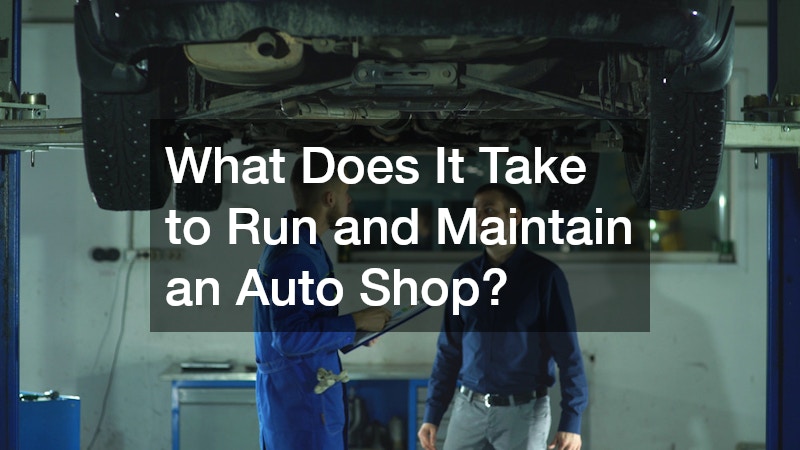
Running an auto shop requires far more than knowing how vehicles work. The business has to balance customer service, scheduling, diagnostic accuracy, technician workflow, equipment upkeep, safety, parts ordering, facility maintenance, and clear communication. A well-run shop needs to feel organized from the front counter to the service bays because customers are often trusting the team with one of their most important daily tools. When operations are inconsistent, even skilled repairs can feel stressful to the people bringing in their vehicles.
The physical property matters just as much as the work happening inside it. Auto shops need secure lots, visible entrances, safe work zones, reliable power, organized storage, and enough room for vehicles to move without confusion. Owners may coordinate with fencing companies when they need stronger perimeter control, cleaner lot boundaries, or better separation between customer parking, stored vehicles, and restricted work areas. A professional facility helps protect vehicles while supporting a smoother daily workflow.
Build A Facility That Supports The Work
The layout of an auto shop should make it easy for vehicles, technicians, customers, and parts to move in predictable ways. Service bays need clear access, tool storage should be close to the work being performed, and the customer area should not interfere with shop operations. A crowded layout can slow everyone down and increase the chance of mistakes. Good organization also helps employees focus because they are not constantly working around clutter or blocked pathways.
Routine entry door repairs may become necessary when customer doors stick, shop doors fail to close properly, or access points no longer feel secure. A door problem can affect customer impressions, employee safety, energy loss, and after-hours protection. In a shop environment, even a small access issue can become disruptive if vehicles, deliveries, or customers are moving through the same area every day. The building itself needs regular attention because traffic and weather take a toll.
Create Clear Service Categories
An efficient shop usually has clear service categories so customers know what the business handles and employees know how work should be assigned. Some shops focus on maintenance and diagnostics, while others include collision, paint, detailing, exhaust, or specialty vehicle work. Defining services carefully helps the business avoid overpromising. It also keeps scheduling more realistic because each type of work requires different equipment, timing, and technician skill.
A shop that offers auto body service must plan for a different workflow than one limited to oil changes and inspections. Body work may involve estimates, parts matching, panel assessment, paint coordination, insurance communication, and longer vehicle stays. Customers also need clear updates because cosmetic and structural work can feel more uncertain than routine maintenance. A shop that communicates timelines and findings well can make this part of the business feel more manageable.
Maintain Reliable Repair Operations
Customers come to an auto shop because they want accurate answers and dependable results. Offering local auto repair services means managing everything from basic maintenance to diagnostics, warning lights, fluid leaks, steering concerns, and performance complaints. Each ticket should be documented clearly so technicians understand the concern and service advisors can explain the findings. Strong repair operations depend on repeatable systems, not guesswork.
The front counter plays a major role in repair quality. Advisors need to ask the right questions, capture symptoms accurately, and avoid translating customer concerns into vague notes that leave technicians guessing. A statement like “car sounds bad” is far less useful than notes about when the sound happens, where it seems to come from, and whether speed, turning, temperature, or pedal pressure changes it. Good intake protects technician time and helps customers feel heard.
Organize Specialty Work Carefully
Some vehicles need attention that goes beyond general repair habits. European auto repairs can require model-specific scan tools, service information, parts knowledge, fluid specifications, and experience with specialized systems. A shop that wants to serve these vehicles should be honest about the equipment and training required. Taking on specialty work without the right support can lead to delays, misdiagnosis, and frustrated customers.
Specialty work also affects inventory and scheduling. Parts may take longer to source, certain procedures may require more diagnostic time, and technicians may need access to technical information before beginning. Customers should understand that specialized service can involve a different process from common maintenance work. Clear expectations make it easier to protect both profitability and customer trust.
Protect Safety-Critical Systems
A trustworthy shop gives safety-related concerns the attention they deserve. Work involving brakes should be documented carefully because stopping performance affects every trip a customer takes after leaving the shop. Technicians should note pad wear, rotor condition, caliper function, fluid condition, warning lights, noises, vibration, and pedal feel. The customer should leave with a clear explanation of what was found and what should happen next.
A safety-first mindset should extend to test drives, inspections, and final quality checks. If a vehicle comes in for one concern but the technician notices a dangerous issue elsewhere, the shop should have a clear process for documenting and communicating it. This does not mean pressuring customers into unnecessary work. It means explaining real risk plainly and keeping records that show what was inspected, recommended, approved, or declined.
Keep Exterior And Exhaust Work Efficient
Many shops expand revenue by adding local auto exhaust repairs that solve common problems outside the engine bay. Exhaust work may involve leaks, hangers, mufflers, pipes, noise concerns, emissions-related components, or damage from road debris. These jobs need the right lift access, cutting tools, welding ability when applicable, parts sourcing, and safety practices. A well-organized shop can handle them without disrupting other scheduled repairs.
This type of work also requires careful inspection because noise does not always come from the most obvious location. A technician may need to check for rust, loose shields, broken mounts, leaks, failed clamps, or parts that have shifted after impact. The best shops avoid replacing parts blindly and instead explain the cause of the sound, smell, or performance concern. Clear diagnosis helps customers understand why the repair matters.
Support Collision And Structural Concerns
Some vehicles arrive with damage that affects more than appearance, and frame repairs require careful assessment because underlying structural issues can influence alignment, suspension geometry, safety systems, panel fit, and long-term drivability. Shops that handle this category need appropriate measuring equipment, trained staff, and a disciplined repair process. It is not the type of work that should be rushed or treated as simple cosmetic correction. Structural accuracy has to guide the work from the beginning.
An auto body service workflow should also include clear intake photos, supplement procedures, parts tracking, quality checks, and customer updates. Damage work can change as hidden problems are uncovered, so the business needs a process that keeps records organized. When documentation is consistent, employees can explain the repair path more clearly. That structure protects both the customer’s confidence and the shop’s efficiency.
Present Vehicles At Their Best
Cleanliness affects how customers judge a shop. The best car detailers understand that a finished vehicle should look cared for, not just repaired. Detailing can support customer satisfaction after collision work, long repairs, or reconditioning services. Clean glass, vacuumed interiors, removed dust, and polished exterior surfaces can make the handoff feel more professional. A clean vehicle also helps customers inspect the completed work more easily.
Detailing operations should still be managed carefully. Wash areas, chemicals, towels, vacuums, polishers, water runoff, and interior cleaning supplies all need storage and process control. Poorly managed detailing can create clutter, safety risks, or inconsistent results. When it is organized well, it becomes part of the customer experience rather than an afterthought at the end of a repair.
Maintain Power And Equipment
Qualified electricians may be needed for lift circuits, compressors, lighting, diagnostic equipment, office systems, security cameras, charging areas, ventilation equipment, and code-related improvements. A weak electrical setup can slow repairs, create safety concerns, or limit the type of equipment the shop can use. Facility upgrades should be planned before adding major tools or expanding service capacity. Modern auto shops rely heavily on dependable power.
Equipment maintenance also needs a regular schedule. Lifts, compressors, tire machines, alignment equipment, diagnostic tools, welders, battery chargers, and ventilation systems all affect productivity. A shop should track inspections, repairs, calibrations, and replacement needs just like it tracks customer vehicles. When shop equipment fails unexpectedly, the entire schedule can be disrupted.
Secure The Lot And Customer Areas
A busy auto shop may have customer vehicles, employee vehicles, parts deliveries, tow-ins, and completed jobs on the property at the same time. Fencing companies can help define secure storage areas and reduce confusion about where vehicles should be parked. Lot organization also supports better documentation because staff can track which vehicles are waiting for diagnosis, approval, parts, repair, quality control, or pickup. A secure and organized lot helps reduce daily friction.
Customer-facing spaces should feel safe and easy to understand. Waiting areas, counters, restrooms, walkways, signage, and parking spaces all influence whether customers feel comfortable returning. Shops should not overlook these details because they shape the service experience before anyone discusses a repair. A clean customer area can help reinforce confidence in the work happening behind the bay doors.
Plan For Building Wear And Access Needs
Planning entry door repairs can become part of annual facility planning instead of being treated as emergency fixes. Auto shops have frequent traffic through customer entrances, side doors, bay access points, parts areas, and employee-only spaces. Hardware, seals, locks, closers, hinges, and weatherstripping all wear with use. Keeping access points working smoothly protects safety, appearance, security, and energy control.
The same preventive mindset applies to specialized repair areas. Frame repairs may require dedicated space, measuring systems, clear vehicle access, and enough room to safely work around damaged structures. If that work is squeezed into a general bay without planning, it can slow other services and make the facility feel chaotic. Shops should match their service menu to the space and equipment they can realistically support.
Balance Staffing, Training, And Service Scope
A shop’s reputation depends on the people doing the work and the systems supporting them. Offering European auto repairs may require ongoing training, subscription information, scan tools, and parts relationships that differ from standard domestic or general import service. Owners should consider whether enough demand exists to justify that investment. A specialty category can be profitable, but only when the shop can perform the work accurately and efficiently.
Staffing decisions should also account for service advisors, parts support, detail help, administrative work, and quality control. Technicians cannot do their best work if they are constantly interrupted to answer phones, chase parts, or explain invoices. A balanced team helps each person focus on the role that supports the customer and the repair. Good workflow is often the difference between a busy shop and a profitable one.
Build Trust Through Communication
Trust is built through clear explanations, accurate estimates, and consistent updates. When customers request local auto repair services, they usually want to understand what is wrong, what is urgent, what can wait, and how much the work may cost. Shops should avoid vague language that makes recommendations sound mysterious. Photos, inspection notes, and plain explanations can make the repair process easier to follow.
The same trust-building approach applies to appearance-focused work. If a shop recommends the best car detailers for final presentation, the customer should understand whether detailing is included, optional, or part of a broader reconditioning package. Clarity prevents misunderstandings at pickup. Customers appreciate knowing exactly what was done, what improved, and what may still need attention later.
Keep Compliance And Safety Visible
An auto shop should treat compliance, cleanliness, and safety as daily habits rather than occasional cleanup projects. Electricians can support safer work environments when wiring, lighting, panels, outlets, and equipment connections need review. Good lighting helps technicians inspect vehicles more accurately, and reliable power helps tools work as intended. A safe facility protects employees, customers, vehicles, and the business itself.
Shops also need policies for hazardous materials, used fluids, parts disposal, fire safety, personal protective equipment, and incident reporting. These details may not be visible to customers, but they affect the quality and stability of the business. A clean and compliant environment reduces risk and makes the shop easier to manage. Strong internal standards often show up externally as better service.
Review Services And Costs Regularly
A repair business should not assume that its service mix will stay profitable forever. Local auto exhaust repairs, diagnostics, maintenance, body work, detailing, and specialty services all have different labor needs, parts margins, equipment costs, and scheduling demands. Owners should review which services are profitable, which create bottlenecks, and which require more training or investment. A strong service menu reflects what the shop can deliver well.
Safety services should also be evaluated from a workflow perspective. Work involving brakes can be common, but it still requires consistent inspection steps, parts quality, technician attention, and final verification. Routine services should not become casual simply because the shop handles them often. Standardization helps protect customers and reduce comebacks.
Running and maintaining an auto shop takes facility planning, technical discipline, strong communication, and steady attention to the customer experience. The work depends on people, property, equipment, workflow, and trust functioning together. Shops that define their services clearly, protect safety-critical work, maintain their buildings, and communicate with precision are better prepared to handle daily pressure. A successful shop is not only a place where vehicles are repaired; it is a coordinated operation built to keep customers moving with confidence.