Key Takeaways
- Major vehicle repairs often involve critical components like the engine, transmission, or structural systems
- Early diagnosis and prompt action can prevent further damage and reduce repair costs
- Always review repair estimates carefully and ask questions before approving work
- Choosing a reputable repair shop ensures quality service and long-term reliability
- Insurance can help cover costs, but understanding your policy is essential
- Repair timelines vary depending on damage severity and parts availability
- Preventative maintenance helps reduce the likelihood of major repairs in the future
Dealing with major vehicle repairs can be stressful, especially if the damage is unexpected. Whether it’s due to an accident, mechanical failure, or long-term wear and tear, understanding what to expect can make the process more manageable. Knowing the steps involved helps you stay informed, avoid unnecessary costs, and ensure your car is restored properly.
This guide walks you through the key stages of major vehicle repairs, what decisions you may need to make, and how to navigate the process with confidence.
What Qualifies as Major Vehicle Repairs?
Not all repairs are the same. Major vehicle repairs typically involve significant damage or issues with critical components that directly affect the car’s safety, performance, and reliability. These are not quick fixes—they often require detailed diagnostics, specialized tools, and experienced technicians to complete properly.
Major repairs can arise from accidents, long-term wear and tear, or neglected maintenance. In many cases, these issues develop gradually but become severe enough that they can no longer be ignored. Because of their complexity, these repairs usually involve higher costs and longer repair times compared to routine maintenance or minor fixes.
Common Types of Major Repairs
- Engine rebuild or replacement: Required when internal components fail, often due to overheating, lack of maintenance, or high mileage
- Transmission repair or replacement: Necessary when gear shifting becomes unreliable or the transmission fails completely
- Structural or frame damage: Often caused by accidents, affecting the vehicle’s integrity and safety
- Suspension system overhaul: Involves repairing or replacing shocks, struts, and other components that affect ride quality and stability
- Electrical system failures: Complex issues involving wiring, sensors, or onboard computer systems that can impact multiple functions
These repairs often require professional expertise, specialized tools, and more time compared to minor fixes. Understanding what qualifies as a major repair helps you prepare for the process, budget accordingly, and make informed decisions about your vehicle.
What Should You Do First After Noticing a Major Issue?

The first step is recognizing that something is wrong and taking immediate action.
Initial Steps to Take
- Stop driving the vehicle if it’s unsafe
- Note any warning signs or unusual behavior
- Contact a trusted mechanic or repair shop
- Schedule an inspection as soon as possible
Acting quickly can prevent further damage and reduce repair costs.
How Is the Problem Diagnosed?
Before any repairs begin, a thorough diagnosis is necessary to identify the root cause of the issue. Modern vehicles are complex systems with interconnected components, so what appears to be a simple problem may actually stem from a deeper underlying issue. A proper diagnosis helps ensure that the right repair is performed the first time, saving both time and money.
Professional technicians follow a systematic approach when diagnosing problems. They combine hands-on inspection with advanced diagnostic tools to accurately assess the condition of your vehicle. This process is essential for avoiding guesswork and unnecessary part replacements.
What Happens During Diagnosis?
- Technicians perform visual inspections: They check for obvious signs of damage, leaks, loose components, or wear
- Diagnostic tools are used to scan for error codes: Specialized equipment reads your car’s onboard computer to identify faults
- Test drives may be conducted: This helps technicians observe how the vehicle behaves under real driving conditions
- Components are checked for wear or damage: Key systems such as the engine, brakes, and suspension are examined closely
A detailed diagnosis ensures that the correct problem is addressed, avoiding unnecessary repairs. By identifying the exact cause, technicians can provide accurate repair recommendations and help restore your vehicle efficiently.
What Happens During the Repair Estimate?
Once the issue is identified, the repair shop will provide an estimate outlining the costs and work required.
What’s Included in an Estimate?
- Cost of parts
- Labor charges
- Estimated repair time
- Additional recommendations
It’s important to review the estimate carefully and ask questions if anything is unclear.
Should You Repair or Replace Your Vehicle?
Major repairs can be expensive, so it’s important to decide whether fixing your car is the best option.
Factors to Consider
- Cost of repairs vs. car value
- Age and condition of the vehicle
- Frequency of past repairs
- Your long-term plans
Sometimes, replacing the vehicle may be more practical than investing in costly repairs.
How Long Do Major Repairs Usually Take?
The timeline for repairs depends on the complexity of the issue and the availability of parts.
Factors That Affect Repair Time
- Type of repair needed
- Availability of replacement parts
- Workload of the repair shop
- Extent of the damage
Some repairs may take a few days, while others could take weeks.
What Should You Expect During the Repair Process?
Understanding the repair process helps you stay informed and prepared, especially when dealing with major vehicle issues. Knowing what happens at each stage allows you to set realistic expectations for time, cost, and outcomes. It also helps you communicate more effectively with your mechanic and ensures that you’re aware of the progress being made on your vehicle.
Major repairs are not completed all at once—they follow a structured process to ensure accuracy and safety. Each step is carefully carried out to restore your car to proper working condition while minimizing the risk of future problems.
Typical Repair Steps
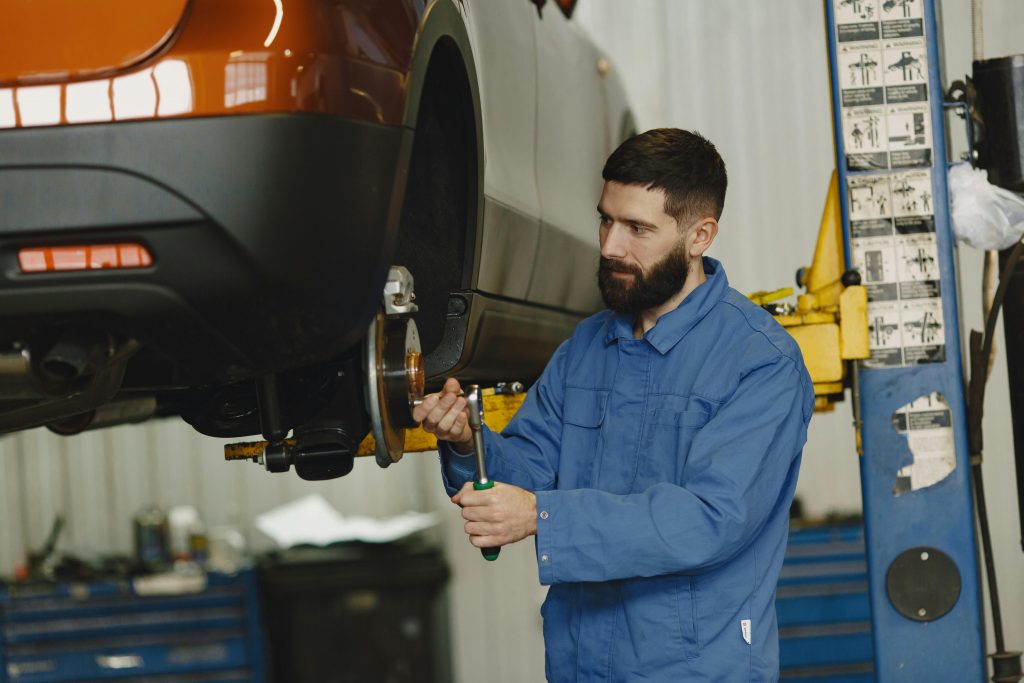
- Disassembly of affected components: Technicians carefully take apart the damaged areas to fully assess the extent of the issue and access internal parts
- Repair or replacement of damaged parts: Faulty components are either repaired or replaced with new or refurbished parts, depending on the situation
- Reassembly of the vehicle: Once repairs are completed, all parts are reinstalled and secured properly
- Testing and quality checks: The vehicle undergoes thorough testing to ensure everything is functioning correctly and safely
Each step ensures that the vehicle is restored to proper working condition. A structured repair process not only fixes the immediate issue but also helps maintain the long-term reliability and performance of your car.
How Do Repairs Differ After an Accident?
Repairs following an accident often involve both mechanical and structural work.
The car repair process after crash situations usually includes damage assessment, insurance coordination, and structural repairs to restore the vehicle’s safety and appearance.
Additional Steps After an Accident
- Inspection for hidden damage
- Frame alignment checks
- Replacement of damaged body panels
- Repainting and finishing
Accident-related repairs may take longer due to their complexity.
What Role Does Insurance Play?
Insurance can significantly impact how repairs are handled and paid for.
How Insurance Helps
- Covers part or all of repair costs
- Recommends approved repair shops
- Requires documentation and estimates
What You Should Do
- Contact your insurance provider promptly
- Submit required documents
- Understand your coverage and deductibles
Knowing your policy details helps avoid surprises.
How Can You Choose the Right Repair Shop?
Selecting a reliable repair shop is crucial for quality work and long-term vehicle performance. With so many options available, it’s important to choose a shop that not only fixes the issue but also provides honest service and dependable results. The right repair shop can make a significant difference in both the outcome of the repair and your overall experience.
Taking the time to research and compare options helps you avoid poor workmanship, hidden fees, or unnecessary repairs. A trustworthy shop will prioritize transparency, communication, and customer satisfaction.
What to Look For
- Certified technicians: Look for mechanics with proper training and certifications, which indicate they are qualified to handle complex repairs
- Positive customer reviews: Check feedback from previous customers to gauge reliability, service quality, and overall experience
- Transparent pricing: A reputable shop provides clear estimates and explains costs upfront without hidden charges
- Warranty on repairs: Shops that offer warranties stand behind their work and give you added peace of mind
A trustworthy shop ensures your vehicle is repaired correctly. By choosing carefully, you can feel confident that your car is in good hands and that the repairs will last.
What Questions Should You Ask Your Mechanic?
Clear communication with your mechanic helps you understand the repair process.
Important Questions to Ask
- What exactly is wrong with the vehicle?
- What repairs are necessary?
- How long will it take?
- Are there alternative solutions?
Asking questions helps you make informed decisions.
How Do You Manage Repair Costs?
Major repairs can be expensive, so managing costs is important.
Cost Management Tips
- Get multiple estimates
- Prioritize essential repairs
- Ask about payment plans
- Check warranty coverage
Planning ahead can help reduce financial stress.
What Happens After Repairs Are Completed?
Once repairs are finished, there are a few final steps to ensure everything is in order.
Post-Repair Checklist
- Inspect the vehicle thoroughly
- Test drive to check performance
- Review the repair invoice
- Confirm warranty details
These steps ensure that the repair was done properly.
How Can You Prevent Future Major Repairs?
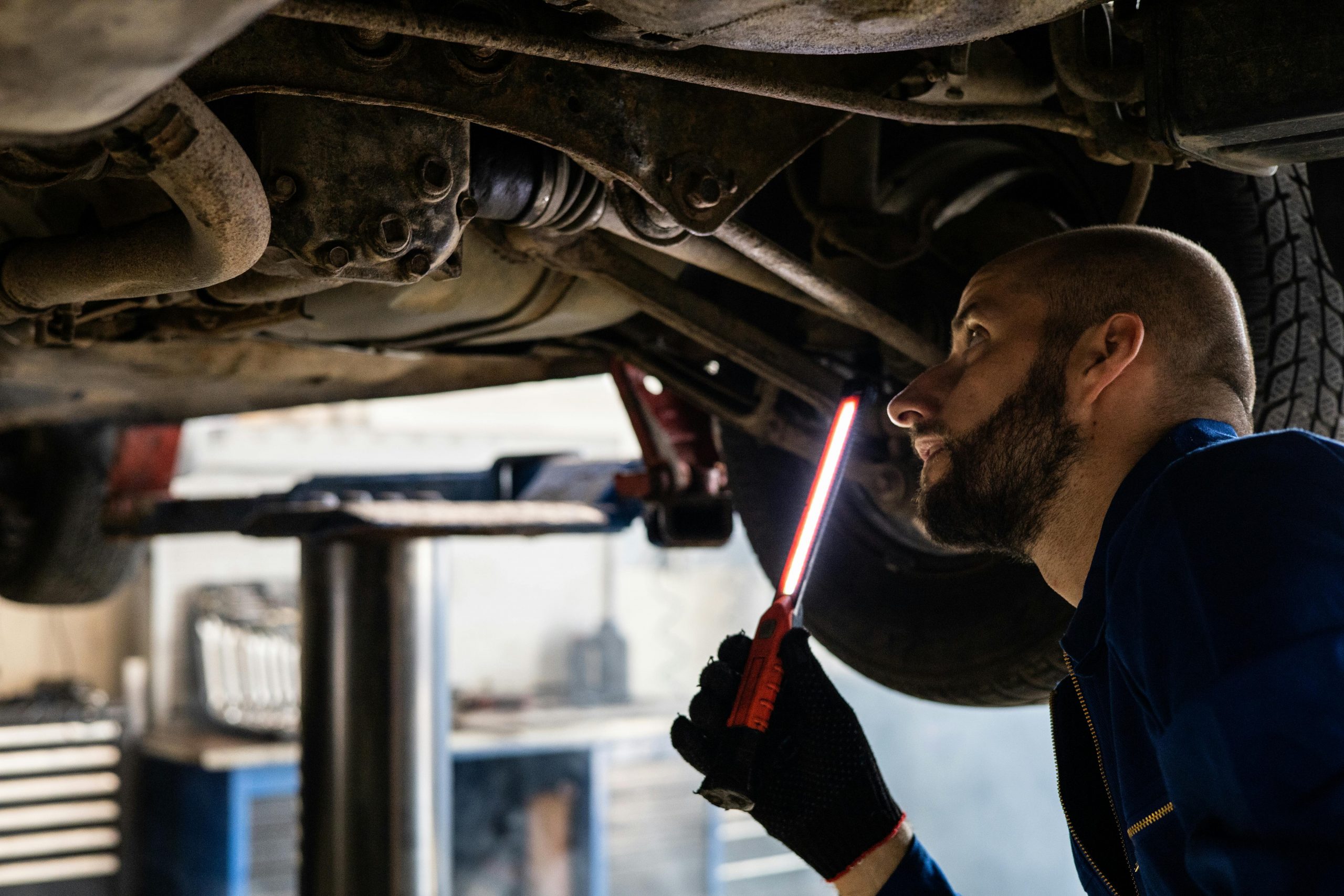
While not all issues are avoidable, proper maintenance can reduce the likelihood of major problems.
Preventative Measures
- Follow regular maintenance schedules
- Address minor issues early
- Use quality parts and services
- Drive responsibly
Preventative care helps extend your vehicle’s lifespan.
What Are Common Mistakes to Avoid?
Avoiding common mistakes can save time, money, and frustration.
Common Repair Mistakes
- Delaying necessary repairs
- Choosing the cheapest option without research
- Ignoring warning signs
- Not understanding the repair process
Being informed helps you avoid these pitfalls.
Final Thoughts on Handling Major Vehicle Repairs
Major vehicle repairs can feel overwhelming, but understanding the process makes it easier to navigate. From diagnosis and estimates to choosing the right repair shop and managing costs, each step plays an important role in restoring your vehicle.
By staying informed, asking the right questions, and taking proactive steps, you can handle major repairs with confidence and ensure your car remains safe and reliable for the road ahead.