Owning a vehicle is a significant milestone, representing freedom, mobility, and convenience. However, that freedom comes with a profound responsibility: ongoing maintenance. According to automotive industry studies, routine and proactive maintenance not only extends the overall lifespan of your vehicle but can also save you thousands of dollars over the years. When a car is properly cared for, its fuel efficiency is maximized, its emissions are minimized, and its depreciation slows down dramatically. Unfortunately, a vast majority of drivers fall into the trap of reactive ownership. They wait until a belt snaps, a radiator boils over, or brakes grind metal-on-metal before taking action. This reactive approach inevitably leads to severe breakdowns, heightened safety hazards on the road, and massively inflated repair bills that could have been easily avoided with basic foresight.
The purpose of this comprehensive guide is to shift your perspective from reactive panic to proactive empowerment. By establishing a consistent timeline for checking vital fluids, preserving exterior aesthetics, conducting mechanical inspections, and maintaining interior upkeep, any driver—regardless of their prior mechanical knowledge—can keep their vehicle running like it just rolled off the showroom floor. Whether you use your vehicle for a daily commute through heavy city traffic, long weekend road trips, or hauling heavy loads, the fundamental principles of automotive care remain the same. This guide will walk you through a complete, bumper-to-bumper protocol. By the time you finish reading, you will possess a robust understanding of exactly what your vehicle needs and when it needs it, ensuring a safe, reliable, and high-performing driving experience for years to come.
Under the Hood—Fluid and Filter Fundamentals
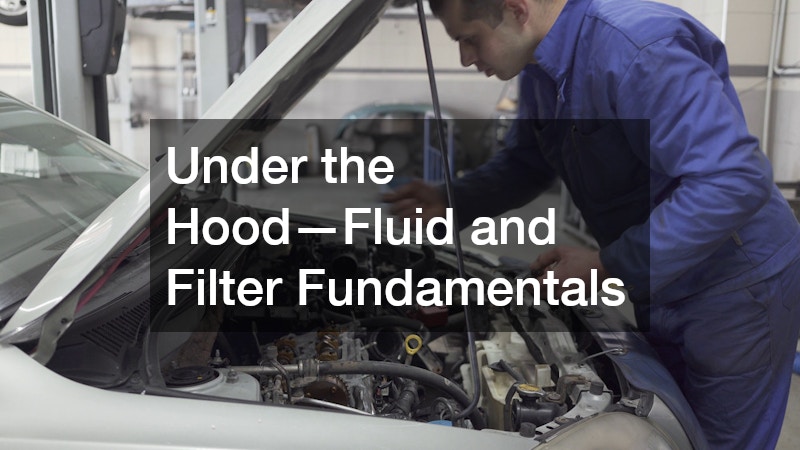
The internal combustion engine is a marvel of modern engineering, consisting of thousands of moving parts that operate under extreme heat and immense pressure. To keep this complex machinery functioning smoothly without destroying itself, it relies entirely on a network of vital fluids and filtration systems. Neglecting these basic elements is the fastest way to ruin a vehicle.
Check and Top Off Vital Fluids Every Few Thousand Miles
Fluids are the lifeblood of your vehicle. They lubricate, cool, clean, and provide hydraulic pressure. Checking them is a straightforward process that takes only a few minutes but provides invaluable insight into the health of your engine.
-
Motor Oil: Park your vehicle on level ground and let the engine cool slightly. Locate the brightly colored dipstick, pull it out, wipe it clean with a lint-free rag, reinsert it fully, and pull it out again. The oil level should fall between the “minimum” and “maximum” indicators. More importantly, observe the color and consistency. Fresh oil is a translucent amber color. Over time, it turns dark brown or black. If the oil appears milky or frothy, it indicates coolant is mixing with the oil, a severe issue like a blown head gasket that requires immediate intervention to prevent catastrophic failure and the need for costly auto engine repair down the line.
-
Engine Coolant: Also known as antifreeze, this fluid absorbs extreme heat from the engine block and dissipates it through the radiator. Check the translucent plastic reservoir tank under the hood. The fluid level should sit between the “Low” and “High” marks. Never open a hot radiator cap, as the system is highly pressurized and can cause severe burns.
-
Transmission Fluid: This fluid acts as both a lubricant and a hydraulic fluid to facilitate smooth gear shifts. On vehicles with an automatic transmission dipstick, the process is similar to checking motor oil, though it is often checked while the engine is warm and running. Healthy transmission fluid should be bright pink or red. If it smells burnt or is dark brown, it needs to be flushed and replaced.
-
Brake Fluid: Brake fluid is hygroscopic, meaning it actively absorbs moisture from the air. Over time, this moisture lowers the boiling point of the fluid, which can lead to a spongy brake pedal and reduced stopping power. Visually inspect the brake fluid reservoir; the fluid should be clear with a slight yellowish tint. Dark, murky fluid indicates it is time for a flush.
-
Power Steering Fluid: If your steering wheel groans or feels unusually heavy when turning, check this fluid. Ensure it is topped up to the correct line on the reservoir to prevent burning out the power steering pump.
Replace Engine and Cabin Air Filters Consistently
Engines and passengers both require clean air to function optimally. Replacing your filters is one of the easiest and most affordable maintenance tasks you can perform, yet it has a profound impact on vehicle performance and interior comfort.
-
The Engine Air Filter: Your engine requires roughly 10,000 gallons of air for every single gallon of fuel it burns. The engine air filter prevents dust, dirt, pollen, and road debris from entering the combustion chamber. A clogged filter starves the engine of oxygen, leading to sluggish acceleration, poor throttle response, and decreased fuel economy. To check it, locate the plastic airbox near the engine block, unclip the housing, and remove the filter. Hold it up to a strong light source; if you cannot see light passing through the pleats, it is time for a replacement.
-
The Cabin Air Filter: This filter cleans the air entering the passenger compartment through the heating, ventilation, and air conditioning (HVAC) system. A dirty cabin filter restricts airflow from your vents, puts unnecessary strain on your blower motor, and allows musty odors, allergens, and exhaust fumes to circulate inside the car. It is usually located behind the glove compartment.
-
Creating a Schedule: To ensure you never forget these vital replacements, it is highly recommended to bundle filter changes with your routine scheduled auto services so you stay completely on track with your manufacturer’s suggested timeline.

Advanced Diagnostics and Manufacturer-Specific Care
Modern vehicles are incredibly sophisticated rolling computers. They are equipped with dozens of sensors that monitor everything from exhaust oxygen levels to wheel speed and engine timing. Understanding how to interact with these digital systems, as well as acknowledging the specific engineering tolerances of your vehicle’s make, is crucial for long-term reliability.
Read OBD-II Scanner Codes Promptly
The sudden illumination of the “Check Engine” light on your dashboard can induce immediate panic. However, this light is simply the vehicle’s computer communicating that one of its sensors has detected an anomaly. Instead of guessing what is wrong, you can quickly diagnose the problem using an On-Board Diagnostics II (OBD-II) scanner.
-
Locating the Port: The OBD-II port is universally located under the dashboard on the driver’s side, usually near the steering column or pedals.
-
Reading the Codes: Plug the scanner into the port and turn the ignition key to the “On” position without starting the engine. The scanner will interface with the car’s computer and output an alphanumeric code (for example, P0420 for a catalytic converter issue, or P0300 for an engine misfire).
-
Interpreting the Data: You can look up these codes online to understand the severity of the issue. A loose gas cap might throw an evaporative emission code that you can fix yourself in seconds. However, if the scanner indicates severe internal timing issues, failing fuel injectors, or a flashing check engine light, you must shut the vehicle off and seek the immediate attention of professional auto mechanics before causing irreversible damage.
Follow Strict Mileage Milestones for High-Performance Vehicles
Not all vehicles are engineered identically. While standard economy cars are designed to be relatively forgiving regarding maintenance schedules, luxury and high-performance vehicles are engineered with incredibly tight mechanical tolerances.
-
Specific Fluid Requirements: European and high-performance vehicles almost exclusively require advanced full-synthetic motor oils with specific viscosity ratings and additive packages. Using the wrong type of oil can lead to excessive wear on the turbocharger or intricate valve timing systems.
-
Specialized Expertise: These vehicles often feature complex electronics, specialized suspension components, and proprietary software that standard garages may not have the tools to address. For instance, maintaining the warranty and performance standards of certain luxury brands requires dedicated technicians. You are much better off seeking out certified bmw repair specialists rather than a general garage to ensure the intricate VANOS timing systems and specialized cooling components are handled correctly.
-
Adhering strictly to the Manual: Read the owner’s manual meticulously. If it dictates that a timing belt or transmission fluid must be changed at exactly 60,000 miles, do not push it to 65,000. Delaying maintenance on highly engineered vehicles is a gamble that almost always ends in exorbitant repair bills.
Preserving Exterior Aesthetics and Structural Integrity
Your vehicle’s exterior is subjected to a constant barrage of environmental hazards. From scorching ultraviolet rays and acidic bird droppings to road salt, gravel, and industrial fallout, the elements are constantly trying to degrade your paint and corrode your metal. Preserving the exterior is not merely an exercise in vanity; it is fundamentally about protecting the structural integrity and resale value of your investment.
Apply Protective Coatings to Preserve Clear Coats
Automotive paint consists of multiple layers: the primer, the colored base coat, and finally, a transparent clear coat that provides the glossy finish and serves as the primary barrier against the elements. Protecting this clear coat is paramount.
-
The Two-Bucket Wash Method: Never run your car through a harsh automated car wash with abrasive spinning brushes, as these induce millions of microscopic scratches called swirl marks. Instead, wash your car by hand using the two-bucket method. Fill one bucket with high-quality automotive shampoo and water, and the second bucket with plain water. Dip your microfiber wash mitt into the soapy water, wash a panel, and then thoroughly rinse the mitt in the plain water bucket before getting more soap. This prevents you from dragging dirt and grit back across the paint.
-
Decontamination: Before applying protection, use a detailing clay bar and a lubricating spray to gently pull embedded contaminants—like microscopic iron particles and tree sap—out of the clear coat. The paint should feel as smooth as glass.
-
Wax vs. Ceramic: Carnauba wax provides a deep, warm shine but only lasts a few weeks and requires frequent reapplication. Synthetic paint sealants can last several months. For the ultimate protection, consider applying a ceramic coating. These liquid polymers chemically bond with the factory paint, creating a semi-permanent, hydrophobic layer that repels water, dirt, and UV rays for years.
Address Rust Spots, Dings, and Deep Scrapes Immediately
No matter how carefully you drive, door dings, rock chips, and parking lot scrapes are inevitable. How you respond to these minor blemishes determines whether they remain minor annoyances or evolve into major structural nightmares.
-
DIY Touch-Ups: If a rock kicks up and chips the clear coat and base coat, exposing the primer underneath, you need to act fast. Purchase a color-matched touch-up paint pen from your dealership. Clean the area thoroughly with isopropyl alcohol, carefully dab the paint into the chip, and seal it with clear coat. This prevents moisture from reaching the bare metal.
-
The Danger of Oxidation: When bare steel is exposed to oxygen and moisture, oxidation (rust) occurs. Rust is automotive cancer; it spreads relentlessly beneath the surface of the paint, blistering the finish and eating through panels. If a scrape is left untreated and begins to bubble and rust, it will rapidly escalate from a minor cosmetic blemish into a severe issue requiring professional auto body services to cut out the rot and weld in new metal.
-
Handling Major Impacts: While small dings can sometimes be fixed with paintless dent repair (PDR), any impact that compromises the frame, crumple zones, or causes significant panel misalignment should bypass DIY fixes entirely. These situations demand comprehensive auto collision repairs to guarantee the vehicle still meets stringent factory safety and crash-test standards.

Enhancing Driving Comfort, Visibility, and Cabin Tech
While the engine and exterior endure the brunt of the physical elements, the interior cabin is where you actually experience the vehicle. Keeping the interior comfortable, protecting the materials from degradation, and ensuring all electrical components function flawlessly contributes heavily to driver satisfaction and safety.
Block UV Rays and Reduce Cabin Heat
The interior of your car functions much like a greenhouse. Sunlight pours through the glass, trapping infrared heat and bathing your dashboard and upholstery in damaging ultraviolet radiation.
-
Material Degradation: Prolonged exposure to intense sunlight dries out natural leather seats, causing them to crack, peel, and lose their suppleness. It also breaks down the plasticizers in dashboard materials and trim pieces, leading to fading, warping, and unsightly cracking.
-
Heat Mitigation: Using a reflective windshield sunshade when parked is a great first step. However, for continuous protection while driving, you should consider investing in premium window films. Utilizing professional car tinting services to apply high-quality ceramic tint to your windows will aggressively reject infrared heat, block up to 99% of harmful UV rays, reduce blinding glare, and dramatically lower the workload on your vehicle’s air conditioning system.
-
Interior Cleaning: Regularly vacuum the carpets and floor mats to prevent abrasive dirt from wearing down the fibers. Wipe down all hard surfaces with a dedicated UV-protectant interior detailer. Avoid using harsh household cleaners or silicone-based dressings that leave a greasy, dust-attracting residue. Condition leather seats every few months to keep them soft and hydrated.
Inspect Wiring and Fuses Before Upgrading Electronic Components
Modern vehicle cabins are packed with technology, from infotainment screens and heated seats to advanced driver-assistance systems. Maintaining the electrical backbone of these systems is crucial.
-
Routine Electrical Checks: Periodically cycle through all your interior electronics to ensure functionality. Test the power windows, sunroof tracks, seat adjustment motors, and all interior cabin lighting. Turn the climate control dials to ensure the AC compressor engages and the heater core blows hot air.
-
Understanding Fuses: If a specific component suddenly stops working—like a 12V power outlet or the radio—the first culprit to check is the fuse box. Fuses are designed to sacrifice themselves to protect the expensive wiring harness from power surges. Locate the interior fuse panel (often behind a plastic cover near the driver’s left knee) and use the diagram on the lid to find the corresponding fuse. Use a multimeter or a visual inspection to check if the internal metal filament is broken.
-
Upgrading Safely: Many drivers enjoy customizing their cabins with aftermarket technology. Whether you are hardwiring a radar detector, installing a modern touchscreen head unit with Apple CarPlay, integrating a backup camera, or adding powerful aftermarket auto audio equipment like amplifiers and subwoofers, you must be extremely cautious. Always disconnect the negative battery terminal before starting any electrical work. Ensure that your added accessories are properly fused, securely grounded, and do not draw more amperage than the factory alternator and battery can safely handle.
Emergency Preparedness, Tires, and Brakes
The final pillar of total vehicle maintenance revolves around the components that physically connect your car to the road and the preparations you must make for when the unexpected occurs. Tires and brakes are arguably the two most critical safety systems on your vehicle; neglecting them puts your life and the lives of others at immense risk.
Monitor Tire Health and Brake Performance Closely
Your tires are the only contact patch between a multi-ton piece of moving machinery and the asphalt. Their condition dictates how well your car accelerates, corners, and stops, especially in adverse weather conditions.
-
Tread Depth: Bald tires are incredibly dangerous, drastically increasing stopping distances and the risk of hydroplaning on wet roads. You should measure your tread depth every 5,000 miles. You can use a dedicated tread depth gauge or the classic “penny test.” Insert a penny into the tire groove with Lincoln’s head pointing down. If you can see the top of his head, your tread is dangerously low (below 2/32 of an inch) and the tires must be replaced immediately.
-
Tire Pressure and Rotation: Fluctuating temperatures cause tire pressure to change. Check your tire pressure monthly using a reliable gauge when the tires are cold. Inflate them to the specification listed on the sticker inside the driver’s side door jamb, not the maximum pressure stamped on the tire sidewall. Furthermore, front tires wear out faster than rear tires on front-wheel-drive cars because they handle both steering and acceleration. Rotating your tires—moving the front wheels to the back and vice versa in specific cross-patterns depending on your drivetrain—ensures even tread wear and extends the life of the set.
-
Brake Inspections: The braking system operates via intense friction. When you press the pedal, hydraulic pressure forces the brake calipers to clamp the brake pads against the metal rotors. Over time, the friction material on the pads wears away. If your steering wheel shakes violently when you brake, your rotors are likely warped. If you hear a high-pitched squeal or a harsh grinding noise, your pads are depleted. It is highly recommended to find a trusted local auto repair shop to handle complex alignments, flush brake lines, and resurface rotors to ensure maximum stopping power.
Keep an Emergency Kit and Roadside Resources Ready
Even the most meticulously maintained vehicle can fall victim to a sudden blowout, a massive pothole, or an unforeseen mechanical failure on a deserted stretch of road. Being prepared for emergencies turns a potential disaster into a manageable inconvenience.
-
Building the Ultimate Glovebox and Trunk Kit: Every vehicle should be equipped with a comprehensive emergency kit. In the trunk, keep heavy-duty jumper cables or, ideally, a portable lithium-ion jump starter pack so you don’t have to rely on another vehicle for a jump. Include bright LED hazard flares or reflective triangles to warn oncoming traffic if you are pulled over at night. Carry a portable 12V tire inflator, a reliable tire pressure gauge, and a can of emergency tire sealant. In the cabin, keep a compact first-aid kit, a seatbelt cutter/window breaker tool, a high-lumen flashlight with extra batteries, a warm blanket, and bottled water.
-
Roadside Assistance: Do not wait until you are stranded on the side of a busy interstate with cars flying by at seventy miles per hour to figure out how you are going to get your disabled vehicle home. Pre-program the contact information for reliable, highly-rated towing services directly into your smartphone’s contact list. Having these numbers readily accessible ensures that a flatbed truck can be dispatched to your location swiftly, getting you and your vehicle to safety without unnecessary stress or delay.
Conclusion
Mastering the art of vehicle maintenance does not require a degree in mechanical engineering or a garage filled with thousands of dollars worth of professional tools. As this comprehensive guide illustrates, achieving total vehicle care is fundamentally about consistency, awareness, and adopting a proactive mindset. By paying close attention to the vital fluids that keep the engine lubricated, responding promptly to the digital diagnostics provided by your dashboard, meticulously protecting the delicate exterior paint from the elements, and prioritizing the critical safety mechanisms of your tires and brakes, you take complete control over the destiny of your vehicle.
The transition from a reactive driver to an empowered owner happens the moment you decide to implement a structured maintenance schedule. Vehicle upkeep is a continuous marathon, not a frantic sprint to the finish line. When you break these tasks down into manageable daily, monthly, and yearly intervals, the overwhelming concept of mechanical ownership transforms into a simple, predictable routine. Set calendar reminders on your phone for fluid checks and filter replacements. Make it a habit to walk around your car once a week to visually inspect the tire tread and paint condition. Listen to the sounds your engine and brakes make, and trust your instincts when something feels out of the ordinary.
We strongly encourage you to treat this guide as a living document. Print out the checklist sections, keep them in your glove compartment alongside your owner’s manual, and reference them often. Head out to your driveway today, pop the hood, and perform a ten-minute visual inspection. You might be surprised at what you discover and how easily you can address it. Share this knowledge with a newly licensed driver in your family or a friend who just purchased their first car. By embracing these essential maintenance principles, you guarantee that your vehicle will remain a dependable, safe, and efficient companion on the road for countless miles to come.