Vehicles represent one of the largest ongoing financial investments for most households today. Yet, a surprising number of drivers neglect the simple, recurring tasks that keep these complex machines running smoothly year after year. Waiting for a dashboard warning light to flash red before seeking professional assistance often transforms manageable adjustments into costly mechanical headaches. Preventive vehicle maintenance is designed precisely to eliminate that risk. By committing to routine inspections and adhering to recommended service intervals, drivers protect both their daily safety on the road and their long-term financial well-being. Taking a proactive stance allows vehicle owners to plan maintenance expenses predictably rather than reacting to sudden financial surprises.
A structured approach to vehicle upkeep removes the guesswork from automobile ownership. Every modern vehicle operates as a complex ecosystem of mechanical, electrical, and hydraulic systems. When one component begins to degrade, it inevitably puts extra strain on adjacent parts, triggering a chain reaction of premature wear and tear. Visiting a trusted car care center on a regular schedule ensures that certified mechanics can catch subtle signs of deterioration long before they manifest as sudden breakdowns on a busy highway. From basic oil changes to detailed multi-point inspections, proactive attention keeps overall performance crisp, fuel efficiency high, and driving hazards low. This comprehensive checklist breaks down the necessary steps every driver should follow to preserve their vehicle across every major system, ensuring long-term peace of mind and complete driving confidence for years to come.
Essential Fluid Management and Filter Replacement
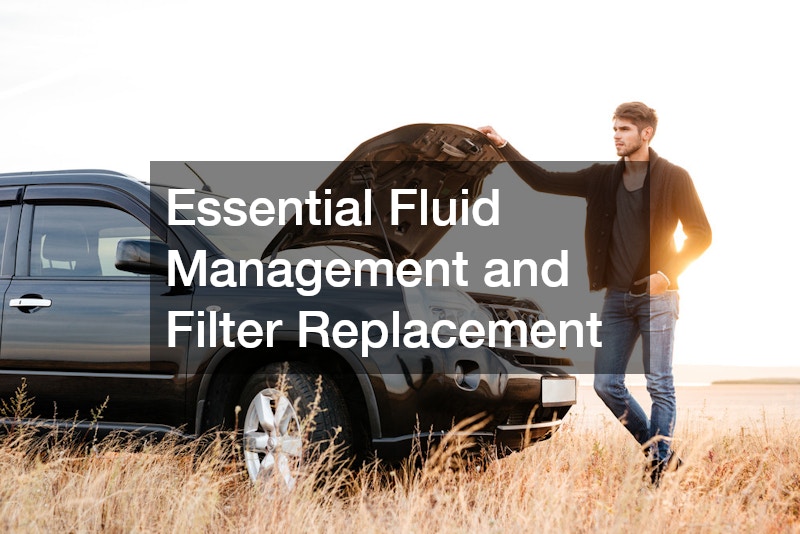
Fluids are the lifeblood of any internal combustion engine and drive system. Over time, intense heat, friction, and environmental contaminants break down these essential liquids, reducing their ability to lubricate, cool, and clean internal machinery. Engine oil is usually the first fluid that comes to mind, and for good reason. Regular oil and filter changes prevent sludgy buildup that can choke internal passages and cause severe engine block friction. However, motor oil is far from the only fluid requiring watchful oversight during routine service intervals.
Brake fluid, transmission fluid, power steering fluid, and engine coolant all play critical roles in keeping a vehicle operating safely under diverse driving conditions. Coolant prevents the engine block from cracking during freezing winter temperatures while shedding intense heat during scorching summer drives. Brake fluid absorbs moisture from the atmosphere over time, lowering its boiling point and creating a spongy feel in the pedal that compromises stopping power. Replacing these fluids according to the manufacturer’s schedule prevents internal corrosion inside hidden fluid lines and hydraulic valves. Filtering systems deserve equal priority during every garage visit. Engine air filters stop abrasive dirt and road debris from entering the combustion chamber, while cabin air filters keep environmental dust and pollen out of the passenger compartment. When owners ignore these basic fluid and filtration needs, they open the door to unexpected mechanical breakdowns that demand intensive auto repair work down the road. Staying ahead of fluid degradation guarantees smoother acceleration, improved fuel economy, and extended engine life across thousands of driving miles.
Suspension Inspection and Tire Optimization
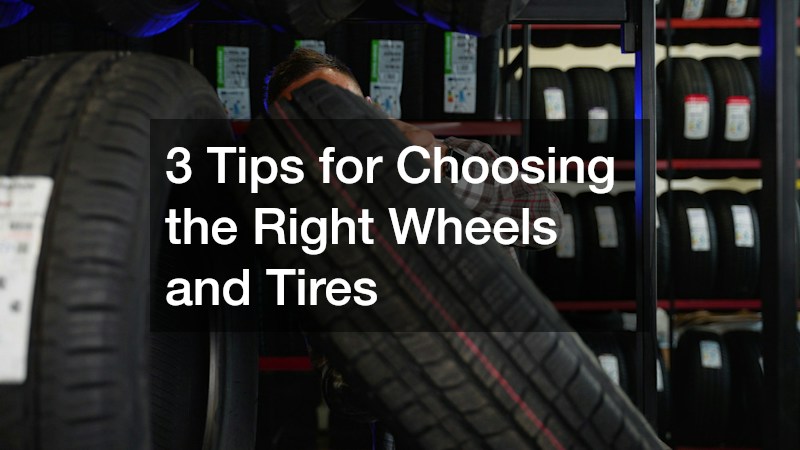
The tire footprint is the only point of physical contact between a moving vehicle and the pavement below. That modest patch of rubber governs accelerating, cornering, and braking performance under all road conditions. Consequently, physical inspections of the tread depth and sidewalls must form a central pillar of any maintenance program. Uneven tread wear often points to underlying alignment issues, improper inflation, or worn suspension components like struts, ball joints, and shock absorbers. Keeping air pressure adjusted to the exact specifications listed on the driver door jamb ensures optimal road contact, smooth handling, and maximum fuel distance per gallon.
Tire rotation is another vital maintenance step that drivers frequently overlook during routine shop visits. Because front wheels handle steering forces and carry the bulk of engine weight on front-wheel-drive vehicles, their rubber wears down significantly faster than the rear set. Rotating them every five thousand to seven thousand miles promotes equal wear across all four positions, extending overall usable life. Furthermore, balancing wheel assemblies prevent high-speed vibrations that prematurely fatigue steering linkages and suspension joints. When replacement becomes necessary, choosing appropriate high-quality tires tailored to local climate conditions ensures stable traction on wet, icy, or sun-baked roads. Coupling fresh rubber with a precise wheel alignment stops vehicle drift, protects expensive steering components, and gives drivers crisp control in emergency maneuvers. Regular checks at a local car care center keep all four corners aligned, balanced, and ready for whatever terrain lies ahead.
Powertrain Safeguards and Major Drivetrain Maintenance
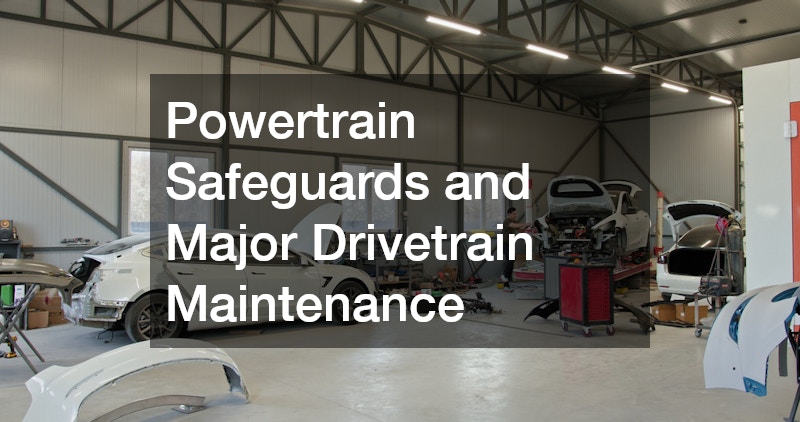
Underneath the hood lies a dense network of mechanical assemblies working under extreme pressure and high operating temperatures. While fluid swaps keep these systems running smoothly, physical components gradually wear down through constant mechanical motion. Belts and rubber hoses are prime examples. Serpentine and timing belts endure millions of engine rotations, enduring high thermal stress every time the vehicle starts. A snapped timing belt can lead to catastrophic valve damage in interference engines, turning a minor scheduled belt swap into an engine-destroying event. Inspecting these rubber parts for fine cracks, fraying, or soft spots prevents sudden roadside breakdowns far from home.
The drivetrain also requires meticulous physical evaluation to avoid compounding mechanical failures over time. Constant velocity joints, drive shafts, and differentials transmit engine torque directly to the wheels. Defective rubber boots on these joints allow protective grease to fling out while letting abrasive road grit in, leading to grinding metal surfaces. Addressing small fluid leaks around output seals prevents internal lubrication starvation in complex gearbox units. Neglecting early signs of shifting delays, harsh gear engagement, or gear slippage can escalate into full mechanical failure, leaving owners facing an expensive transmission replacement that halts daily travel entirely. Scheduling routine inspections helps catch minor seal leaks, worn rubber mounts, and loose linkages early. By taking these preventive measures, drivers save thousands of dollars on heavy car repairs while keeping their vehicle reliable for hundreds of thousands of miles.
Exterior Preservation: Protecting Paint, Glass, and Cabin Comfort
While mechanical longevity gets most of the attention in vehicle maintenance discussions, the exterior body and cabin interior require consistent, thoughtful care as well. Environmental factors like harsh ultraviolet rays, winter road salt, bird droppings, and industrial fallout constantly attack a vehicle’s outer clear coat. Left unaddressed, these harsh elements cause dulling, oxidation, and eventual paint peeling that exposes raw metal to structural rust. Washing the vehicle regularly removes loose surface contaminants, but adding modern defensive layers offers far superior long-term protection against harsh environmental exposure throughout the changing seasons.
Applying specialized professional coating services creates a durable hydrophobic barrier across the painted surfaces. This chemical armor repels water, prevents chemical staining from road grime, and makes routine cleaning far simpler while preserving a deep showroom shine. Glass protection is equally vital for driving comfort and overall highway safety. Intense solar heat and blinding glare degrade interior upholstery, dry out leather seats, and cause dashboard vinyl to crack over time. Professional installation of high-performance window tint filters out harmful ultraviolet light while dramatically reducing interior temperatures during hot summer months. This added solar defense lightens the workload on the air conditioning system, improving fuel efficiency while protecting delicate interior surfaces. Caring for the exterior clear coat and cabin environment preserves the aesthetic appeal of the automobile, making daily commutes far more comfortable and preserving maximum resale value down the line.
Body Integrity, Structural Health, and Post-Impact Corrections
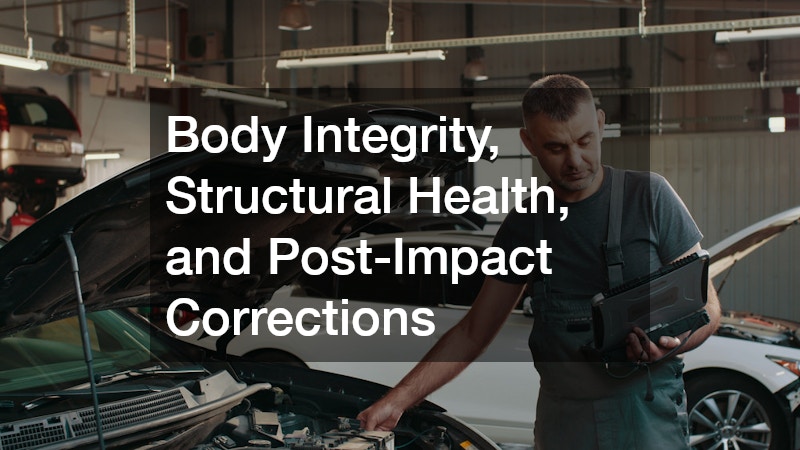
Vehicle ownership invariably exposes machinery to physical hazards beyond normal wear and tear. Minor parking lot scrapes, flying highway gravel, and subtle fender benders can damage external body panels and compromise underlying structural alignments. Ignoring minor exterior damage allows moisture to seep underneath damaged paint layers, initiating hidden rust formation that eats away at metal panels over time. Addressing these cosmetic blemishes early keeps structural integrity intact and prevents costly corrosion from spreading across floor pans, rocker panels, and inner wheel arches.
When minor collisions occur, structural alignment becomes a paramount concern for long-term vehicle safety and handling stability. Even a low-speed impact can shift subframe components out of alignment, altering suspension geometry and throwing off delicate safety sensor arrays. Bringing the vehicle to a certified auto body shop allows trained technicians to measure frame tolerances against factory specifications using computerized laser alignment systems. Restoring precise frame symmetry ensures that crash structures, crumple zones, and bumper reinforcement beams function correctly in any future impact. In addition, addressing body alignment issues eliminates odd tire wear patterns and handling pulling that stems from misaligned structural mounts. Investing in prompt physical body care maintains structural strength, ensuring the vehicle provides optimal cabin protection for all occupants throughout its operational lifespan.
Budget-Conscious Component Replacements and Sustainable Sourcing
As vehicles age and mileage accumulates, certain mechanical or electrical components will inevitably reach the end of their design life. Alternators, starters, steering racks, fuel pumps, and body control modules are all susceptible to normal mechanical wear. When components fail on older vehicles, owners often face steep costs for brand-new original equipment manufacturer replacement parts. However, maintaining an older vehicle responsibly does not mean drivers must exhaust their personal savings to keep it running reliably on the road.
Sourcing a high-quality used auto part through reputable testing and recycling networks offers a practical, cost-effective alternative for major mechanical and structural fixes. Certified recycled components are thoroughly inspected, tested, and graded before being approved for reinstallation on customer vehicles. Choosing tested recycled assemblies for items like side mirrors, door panels, rim sets, or minor engine accessories provides substantial savings without sacrificing quality or structural fit. This practical approach reduces overall repair bills while keeping operational vehicles running smoothly for years to come. Furthermore, utilizing recycled components contributes directly to environmental sustainability by reducing industrial manufacturing demand and keeping usable automotive materials out of landfills. Combining regular preventive inspections with sensible component sourcing allows budget-conscious owners to maintain their vehicles in peak condition without suffering severe financial strain or overwhelming repair bills.
Documentation, Financial Planning, and Coverage

Maintaining detailed service records is one of the most effective ways to preserve a vehicle’s long-term resale value and satisfy factory warranty obligations. Keeping organized paper receipts, digital service logs, and detailed inspection reports proves to future buyers that the vehicle received meticulous care throughout its operational lifespan. Vehicles with fully documented service histories command significantly higher market prices compared to similar models lacking proof of consistent maintenance.
It is equally important for vehicle owners to understand the clear distinction between routine maintenance expenses and policy coverage provided by car insurance. Standard insurance policies exist to cover sudden, accidental damage resulting from collisions, vandalism, theft, or natural disasters. They do not cover gradual mechanical wear, fluid changes, brake pads, or routine maintenance items. Maintaining comprehensive records helps streamline claims if a covered event occurs, proving the vehicle was in excellent working order prior to an incident.
Creating an emergency vehicle kit is another wise step in financial and operational planning. Carrying jumper cables, a reliable tire pressure gauge, a high-lumen flashlight, basic hand tools, first aid supplies, and extra fluids ensures drivers are prepared for minor roadside issues. Combined with a dedicated maintenance savings account, drivers can easily absorb routine inspection costs without experiencing financial stress or unexpected budget strain.
Sustaining Long-Term Performance and Road Peace of Mind
Preventive vehicle maintenance is not merely an optional expense; it is a fundamental strategy for ensuring safety, reliability, and financial prudence over the life of an automobile. By taking a proactive approach to fluid management, tire care, powertrain checks, exterior protection, and accurate record-keeping, drivers prevent minor issues from compounding into overwhelming repair bills. Routine inspections catch subtle component wear early, keeping modern vehicles running smoothly, safely, and efficiently through every season and across every driving condition.
Partnering with qualified automotive professionals establishes a strong foundation for long-term vehicle health. Following a systematic maintenance checklist protects passengers, optimizes fuel economy, and preserves vehicle resale value for years to come. Whether managing daily commutes or preparing for extended road trips, consistent care ensures that every drive remains safe, comfortable, and dependable. Taking proactive action today guarantees that your vehicle stays fully prepared for whatever journey lies ahead on the open road.